Surreal Photo Art, Composite Photography
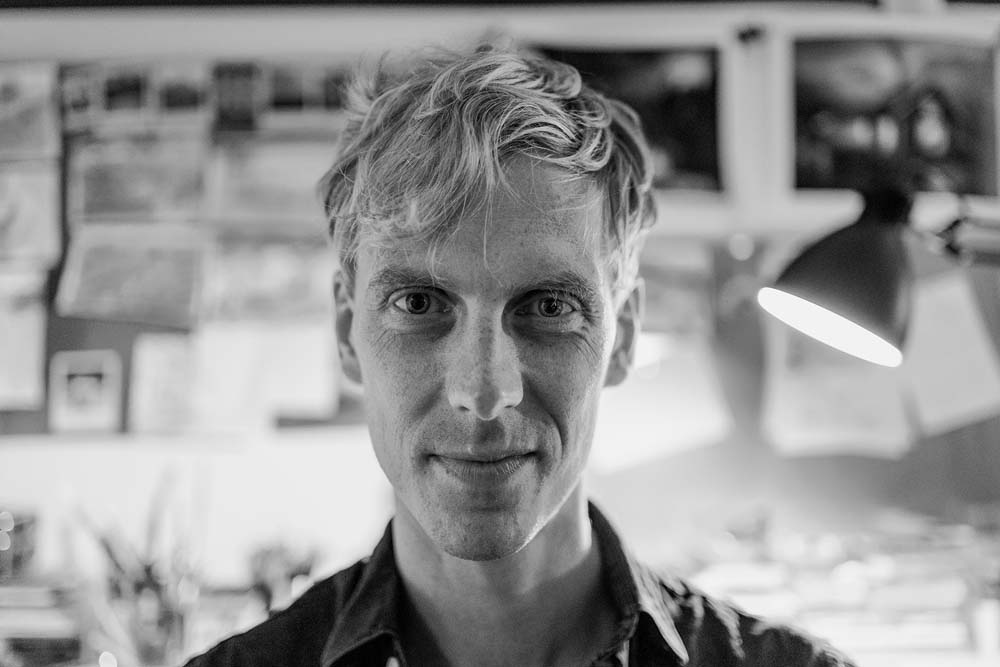
Erik Johansson builds worlds that shouldn't exist – but look completely real. Working exclusively with his own photographs, the Swedish artist creates surreal scenes that can take months from first sketch to finished piece. His work has appeared for clients including Adobe, Google, Microsoft and National Geographic, and he's spoken at TED and Adobe MAX. He now lives and works in Prague.
Q How did you first get into photography – was there a specific moment or image that pushed you in this direction?
I got my first digital camera when I turned 15 and from that day I was curious to explore how much you can modify a photograph and still make it look as if it's a photograph. I've always been a visual person and liked to draw and express myself visually.
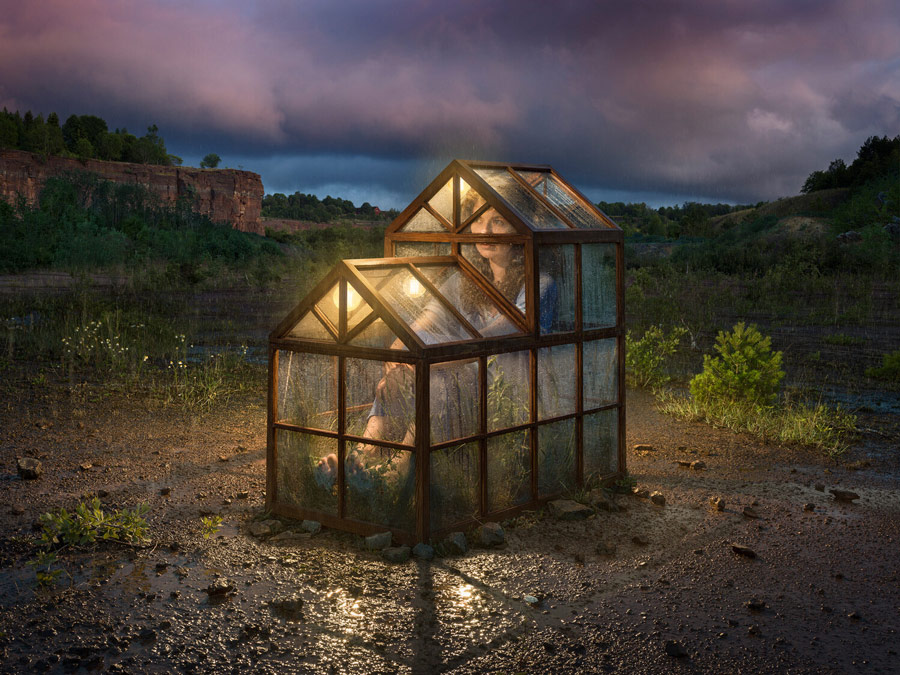
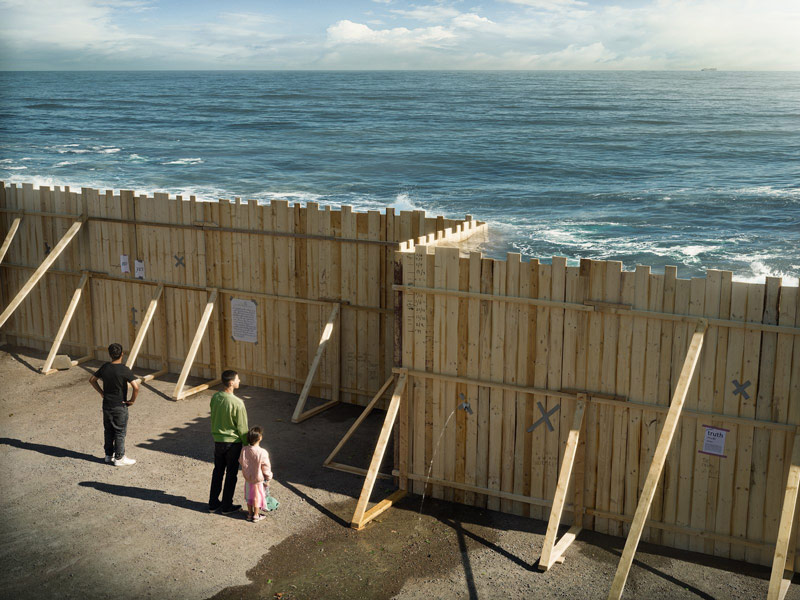
Q Images like "Drifting Away" or "Comfort Zone" feel like they've been pulled straight out of a dream. How does an idea like that even start?
It always starts small, a little thought or observation of something around me. It's often about trying to illustrate a thought. To put a feeling to life.
Q Some of your images go through a very long process from the first sketch to the finished piece. How do you know, partway through, whether an idea is still worth the effort?
Time is my best friend, to let things take time is the only way I know if it's good or not. I never start working on something right away and planning is the most important part of the process. With good planning, the shooting and post production gets much easier.
Q AI could shortcut the most demanding part of your work today. Why do you still choose the far longer, more difficult path of using your own real photographs – and what can an image made that way do that an AI version couldn't?
AI can make an image, but can it make art? To me art is something human and art is something we use to express ourselves, our feelings, fears and experiences. I feel like AI is a shortcut and I'm not interested in shortcuts, creativity is part of the entire process and I'm very happy to keep photographing my own material. Human made art, by humans for humans.
Q Some of your images feel like a quiet comment on the world. Is that intentional, or does it tend to emerge naturally from the idea itself?
Well a lot of the ideas and thoughts I have come from things I see, experience and feel. A lot of it is very personal and if I am to put all this effort into my work I want to make sure I do it well and work on something that means something to me. The titles have always been an important part of the works as well.
Q What does it feel like when you finally see the finished image in front of you after all that work?
It always turns out a bit different, but not in a bad way. The sketch is just the start, when I shoot it is the first time I can get a feeling what it might look like. But the development is a good thing.
AI can make an image, but can it make art? Human made art, by humans for humans.
Q Would you call yourself a photographer, or an artist – or is that distinction not really meaningful to you anymore?
I tend to say artist rather than photographer, as being a photographer is more about capturing a moment but I'm building a moment with the help of photographs. But these titles don't matter that much honestly.
Q Are there photographers or artists who've inspired or shaped you along the way?
I have always found more inspiration in painters rather than photographers. Both the surreal artists of the 20th century, M.C. Escher (Dutch graphic artist) and René Magritte (Belgian surrealist), but also classical painting and how light and colors are captured.
Q Is there an idea you still can't let go of, but haven't been able to realise yet for technical or logistical reasons?
There are many ideas that I still doubt if they are possible, sometimes for technical reasons but sometimes also for creative idea reasons. Will this be understood? But the limitations of what I am able to capture has always been helpful for me to direct my creativity and find consistency. I have to stick with ideas that I'm able to capture.
Q What's the most important lesson you've learned over the years?
That starting is the hardest part of the process in a way. To allow it to take time is of course important but it always feels like there is a reason to wait to get started. But sometimes you just have to get started!