Looking back, I realise I've always treated the frame in the viewfinder as the "finished" composition. Once the shutter was pressed, the image felt decided. Cropping afterwards often felt less like refining a photograph and more like changing it.
The principle itself isn't new to me. With landscapes or street shots I've adjusted the crop afterwards plenty of times. Just never with portraits, and certainly never as a deliberate step of its own. Probably out of a fear of leaving something out, or cutting something away that mattered.
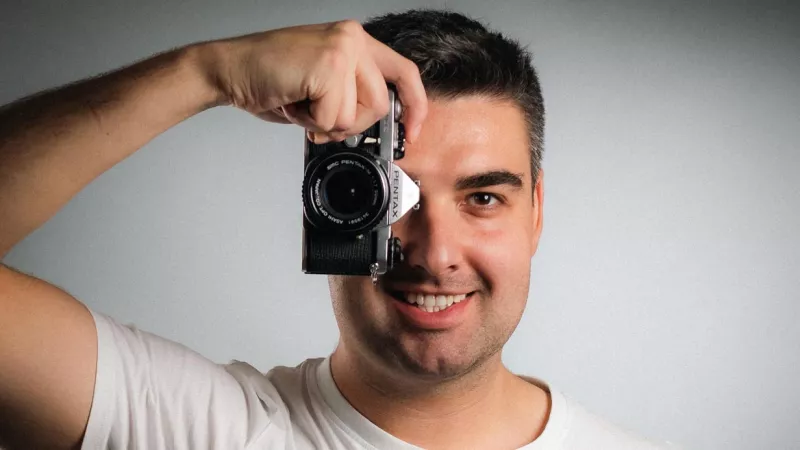
The idea to actually test this came up during a self-portrait shoot. With self-portraits, changing the composition isn't particularly simple. Every adjustment means getting up, checking the framing, repositioning the camera and trying again. Using an 85mm prime instead, I decided to frame once and leave the cropping for later.
What Stays, What Disappears
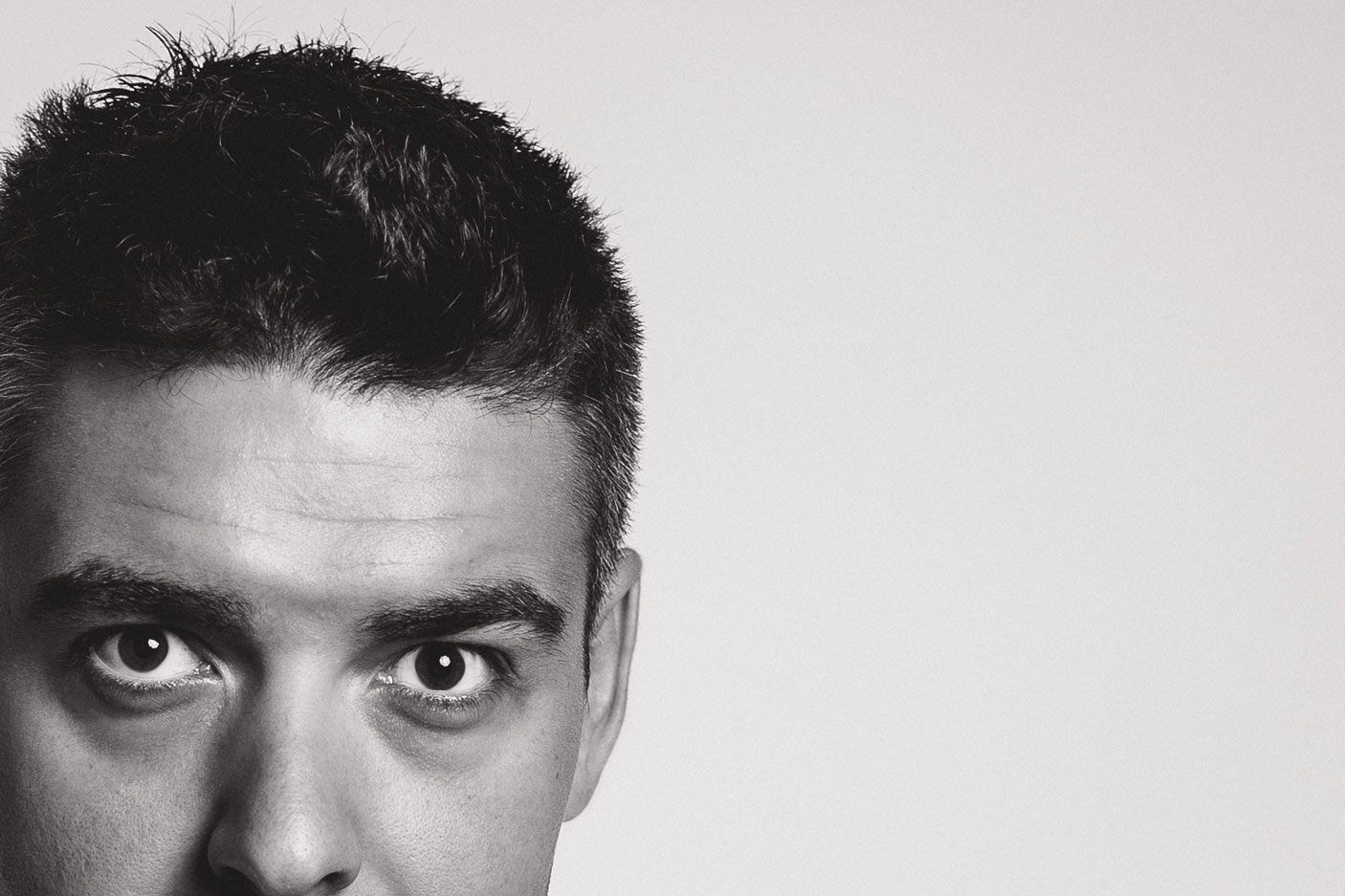
Going through the images afterwards is where the real experimenting started. Tighter, shifted, sometimes just the eyes in frame. And that's exactly where I noticed how differently one and the same photo can read. Show just the eyes, without the smile, and a portrait suddenly feels more serious, more distant, almost pensive – even though nothing about the face itself has changed.
For portraits, that's an interesting bit of play. For other kinds of images – street photography, documentary shots – the crop becomes a genuinely powerful tool. What you show and what you leave out often shapes an image's impact more than the subject itself. And that decision doesn't have to happen at the computer. You can leave something out deliberately while shooting too.
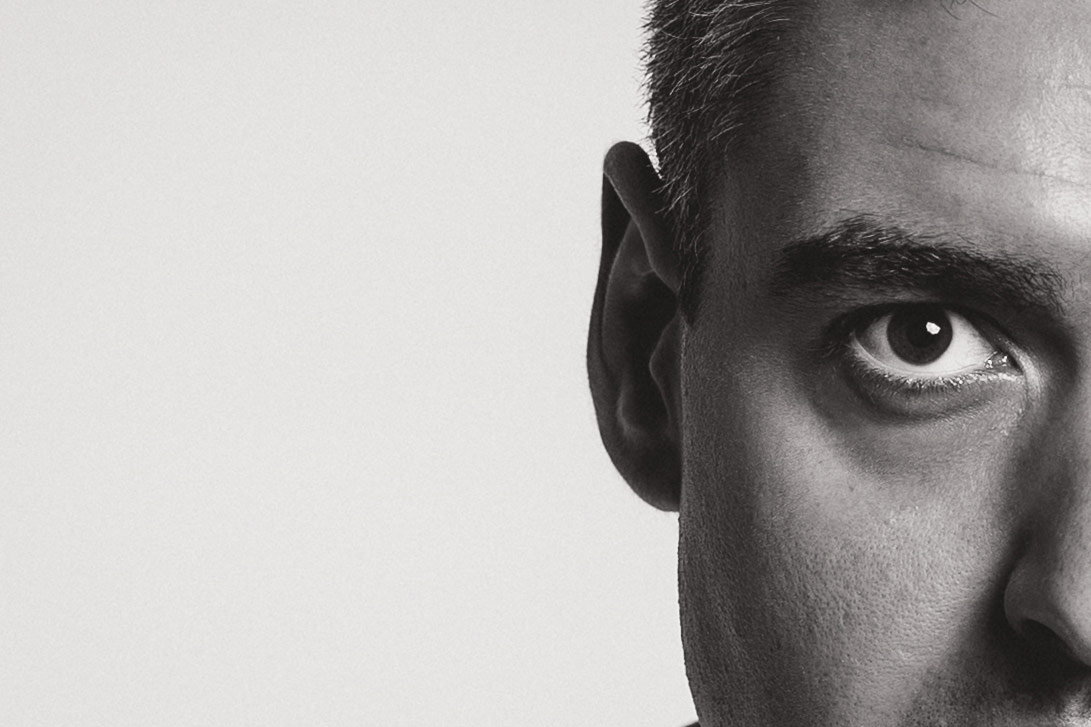
What surprised me wasn't that the cropped version looked different. What surprised me was how natural it looked. Looking at it, I couldn't honestly say which version was the "correct" one anymore.
Not every subject works this way, though. Some portraits live precisely from what's happening around the main subject – the surroundings that give it context. Strip that context away entirely, and what's left is often a technically clean but hollow crop.
Cropping, in that sense, is also a kind of reduction, similar to writing. You remove pieces until only the essential remains. The challenge in both cases is knowing what is essential and what only seems essential.
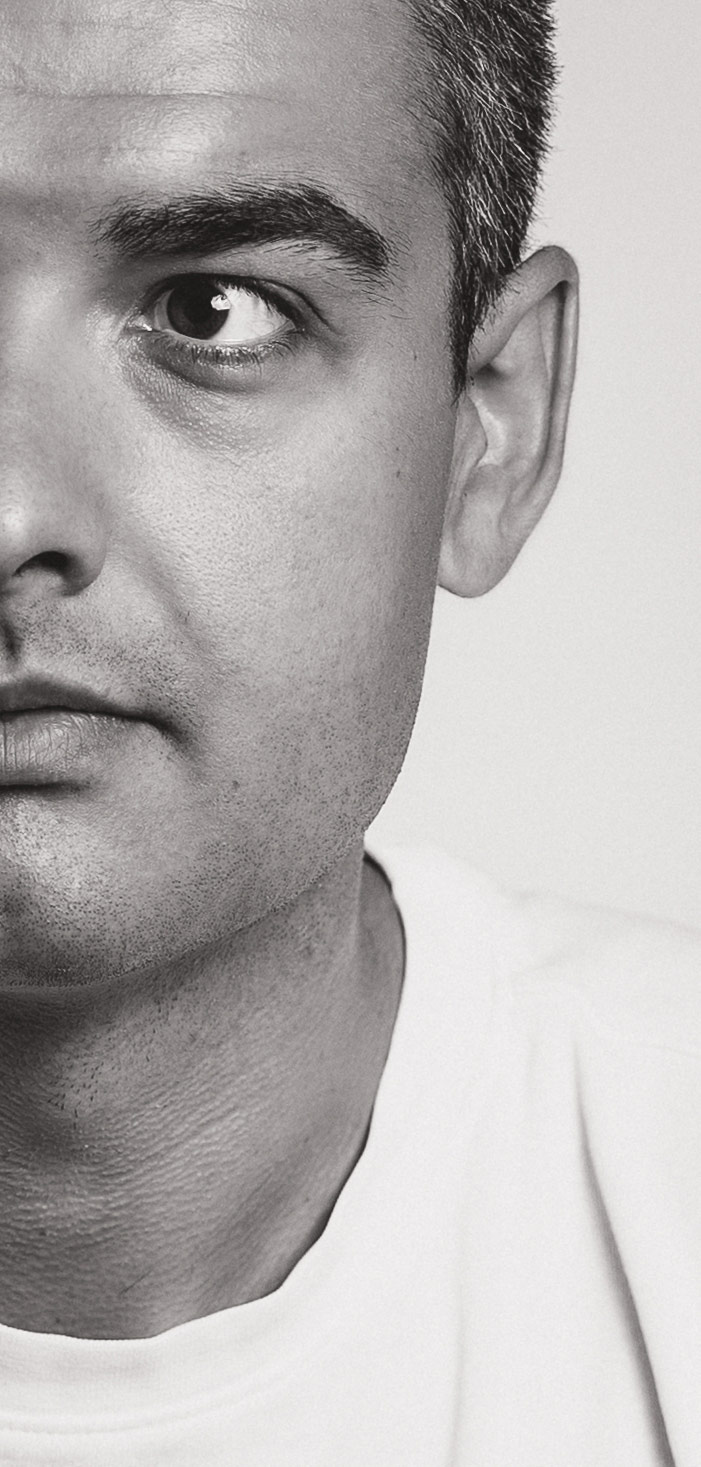
The model who shared my cropped photo back then probably had no idea it would lead me here. Looking at these images now, I'm no longer sure the frame in the viewfinder was ever really 'finished.' Sometimes the difference between two photographs isn't a new shutter press. It's simply a different decision about what to leave out.
See full test series here.