Editorial, Sports, Portrait, Corporate, Street
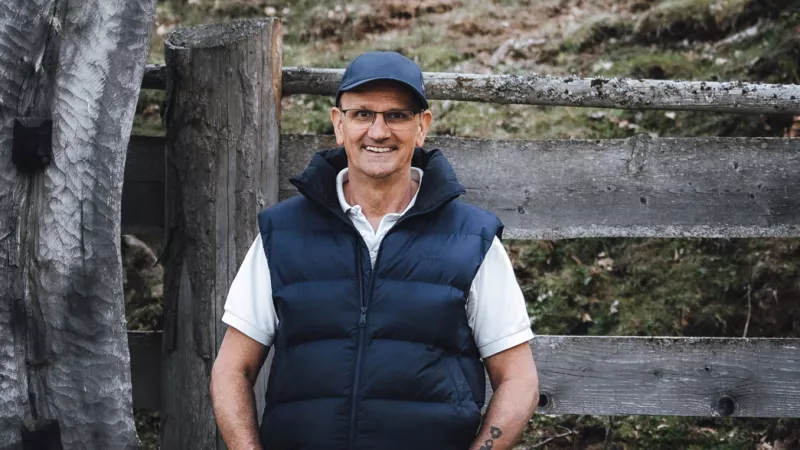
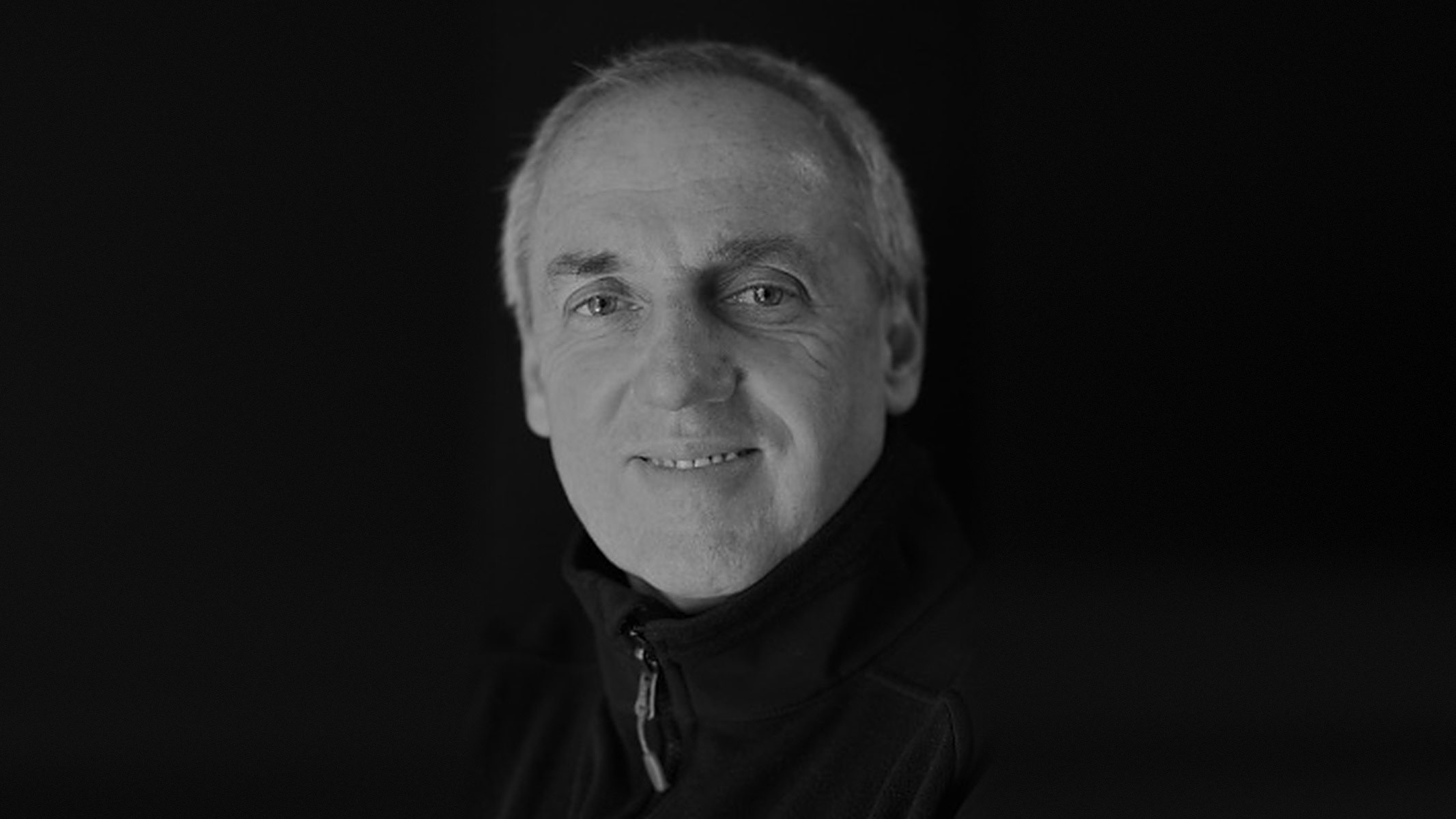
John McDermott is an American photographer who lives in South Tyrol. After serving in the US Navy, he turned to photography, and his career took off with his coverage of the Patricia Hearst trial for Time and Newsweek. Since then he has photographed sport, portraits and corporate commissions for clients including Sports Illustrated, Stern and Geo, among others, and has had subjects such as David Beckham and Steve Jobs in front of his lens.
Q When did you know you could make a living from photography, and what gave you the confidence to pursue it full-time?
I started to work as a photographer relatively late. In the beginning I was doing stringer work for the wire services, UPI and AP, and occasional little commercial jobs in San Francisco. Then there was this very big story - the criminal trial of Patricia Hearst, the wealthy newspaper heiress who had been kidnapped by a radical revolutionary group which she eventually joined and participated with them in armed robberies of banks.
The story, and the trial, transfixed the country. I began covering the trial, along with everyone else in town. Big magazines and newspapers sent in photographers from all over the country and even from Europe. I submitted a few pictures of Patty Hearst’s mother with her famous lawyer, F. Lee Bailey, to Time Magazine and one picture of the two of them, walking down the street together looking very happy, was chosen to run large the following week.
After that I began to get assignments from Time. I had become friendly with lawyer Bailey and his team and was getting some exclusive access with them. Word of that eventually spread. A week or so later I got a call from Newsweek. They wanted to hire me to shoot every day for the duration of the trial. I of course accepted. At that point, with the two biggest magazines in the country competing for my services, I started to believe this was something it was possible to make a living at.
Good, long-term relationships developed with both magazines, and a lot of other work and new clients, like Sports Illustrated, began to arrive as well. I even found clients from Germany like Stern, Bunte and Geo which all had offices in New York where I went to visit and show my work. This all happened surprisingly quickly. Magazine photography then was a different and very exciting world, but one that is very much changed and reduced now.
I was always confident in my ability-perhaps because I was already older when I started and had had successful experiences in other pursuits. I just wasn’t sure what the path to photography could be. But the path, in a sense, eventually found me.
Q Where does your way of seeing come from? Why do you show the world the way you do, and not differently?
Oh, what a question. Why are some people born left-handed or with red hair? Or with natural athletic ability or an aptitude for music or language? I suspect I was born with a small gift for observation and an innate sense of design. Not that I was ever aware of it until much later in my life. In any case, looking and seeing, and deep curiosity, are things that have always been part of who I am, starting long before I ever had a camera.
A lot of work has gone into developing my way of seeing and it continues to evolve. Learning never stops. Lots of appreciating the work of other photographers, of some great filmmakers, and of course painters. Lots of looking and paying attention. And listening.
Q Which photographer has had the greatest impact on you?
The answer to that question would be Jay Maisel, who died a few weeks ago at the age of 95. Jay was both a mentor who helped and inspired me and a very dear friend. His mantra of “Light, Color, Gesture” and his pure love of seeing and of shooting are things that always stay with me.
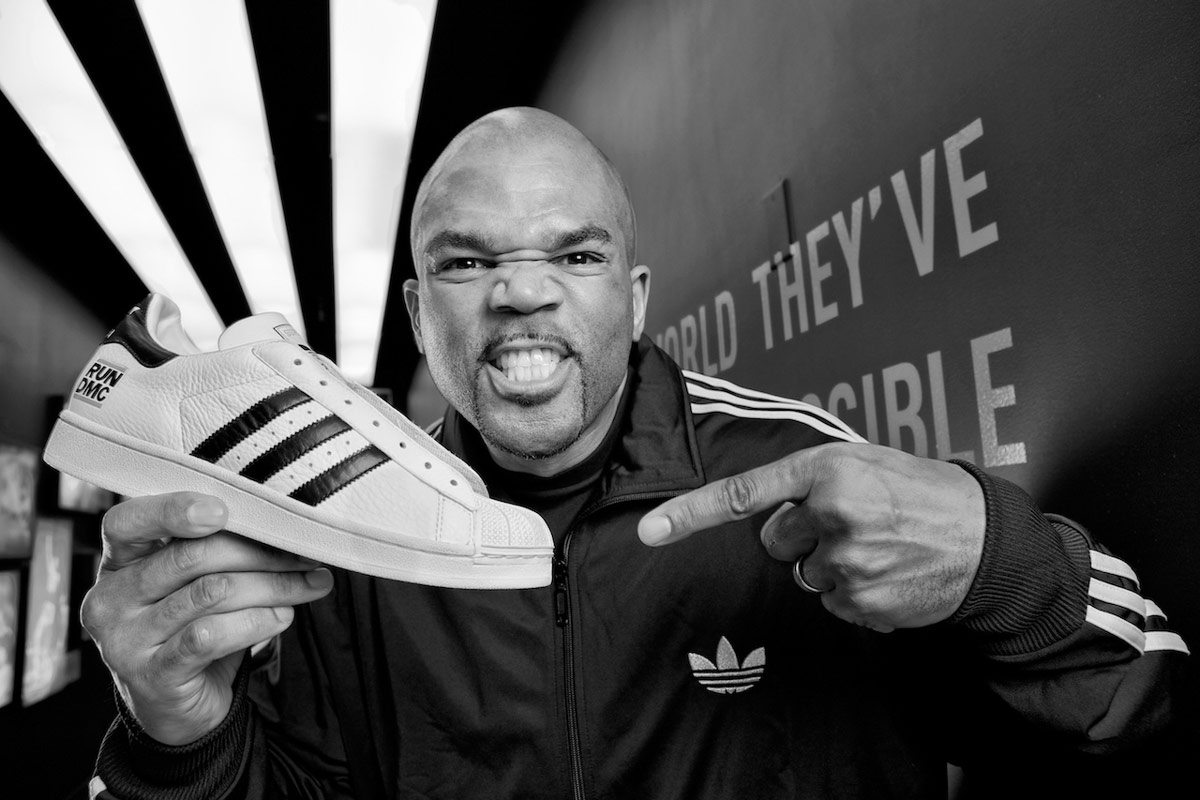
Q Once technique and execution are right, what makes a good photograph for you? How do you know, with your own pictures, that this is it?
You know it when you see it. Sorry to be so imprecise. But it is more than anything else a feeling, an emotional reaction, like a flash of lightning that stops you for a moment because what you are looking at is special, maybe even something you’ve never seen before. It’s one of the best feelings you can have. I would compare it to what you feel after making a killer pass or scoring a great goal in a football match.
Q In sport or street photography, a fraction of a second decides everything; in architecture, everything stands still. How much of a good photograph comes from planning, and how much from reacting well in the moment?
Research and planning are essential when doing any assignment. They are part of being a professional. They help you to avoid making mistakes or repeating what others have done before. They give you a base, a starting point, irrespective of the subject. But in my experience the real magic only happens when you show up with your own unique way of seeing and deep archive of lived experience and earned knowledge, and when you allow time and space for the unpredictable, for serendipity, to occur when you interact with the subject.
Always have a plan, going in, that will solve the problem. But always be spontaneous and open to going beyond or deviating from the plan, or throwing it away entirely, if inspiration moves you in a different direction. Of course, sometimes when you show up, the subject, or the client, might reject your plan. So, it’s important to be ready with other possible solutions in mind, just in case. One of the reasons I have always loved street photography is that you don’t always need a plan, in fact it’s better not to have one. Just go out and observe with all your senses, shoot and report back.
AI can generate images. But they are not photographs. They are simulations, things that never happened.
Q For clients like FIFA or corporations, you work to a clear brief. Where does the assignment end and your own signature begin?
Everything I do is personal work to me. On an assignment I follow the brief, but I try to bring something to the job which will surprise people. I want the result to not only solve the problem but go beyond that and also reflect my personal way of seeing and working. My own expectations are always very high. I feel that if I meet them then I will hopefully more than meet the expectations of the client.
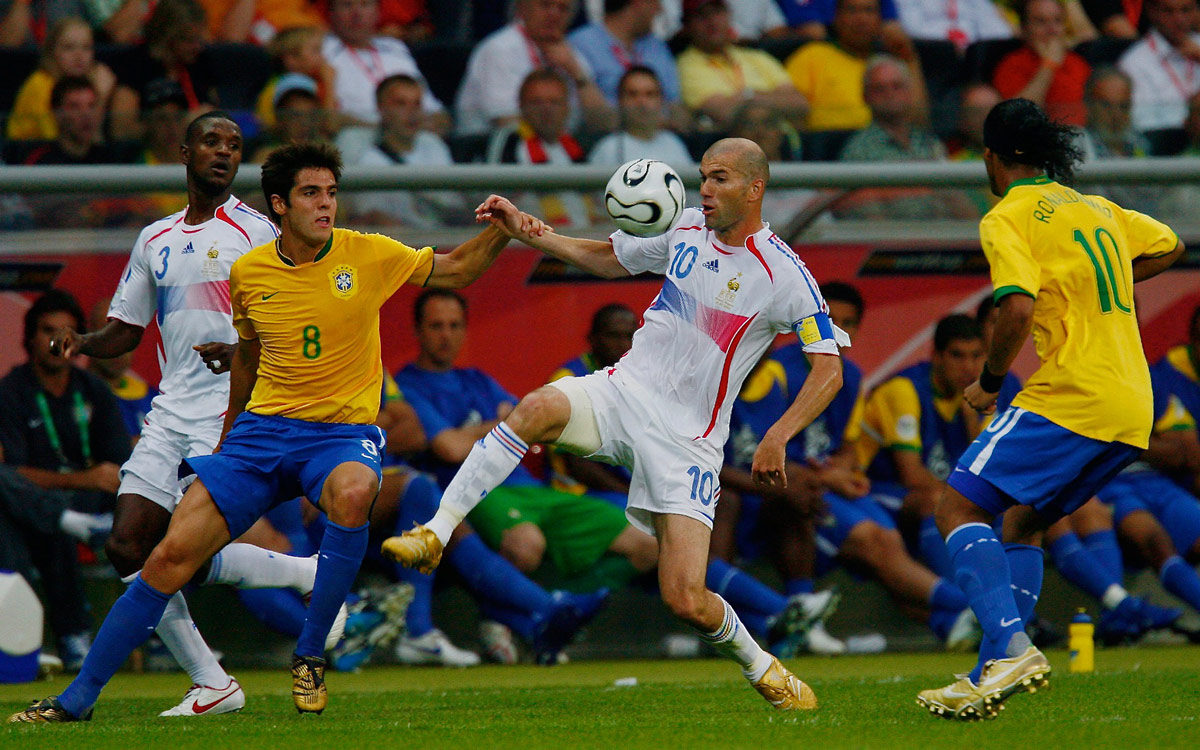
Q You learned photography mainly by doing it. What can be taught to others, and what does everyone have to find out for themselves?
You can teach basic technical things like how to operate a camera and how to use lights. But you can’t teach someone how to see. You can only point them in a direction and offer examples - your own work and that of other photographers and encourage people to always be curious, to dig deeper, to experiment and not be afraid to fail, over and over again. And to seek inspiration in the work of others that they admire.
Above all, urge them to just shoot as much as they can and to be critical of their work. If you are not your own most severe critic, you will become your own worst enemy. Experience is always the best teacher. The more you do something the better your chances are of becoming good at it.
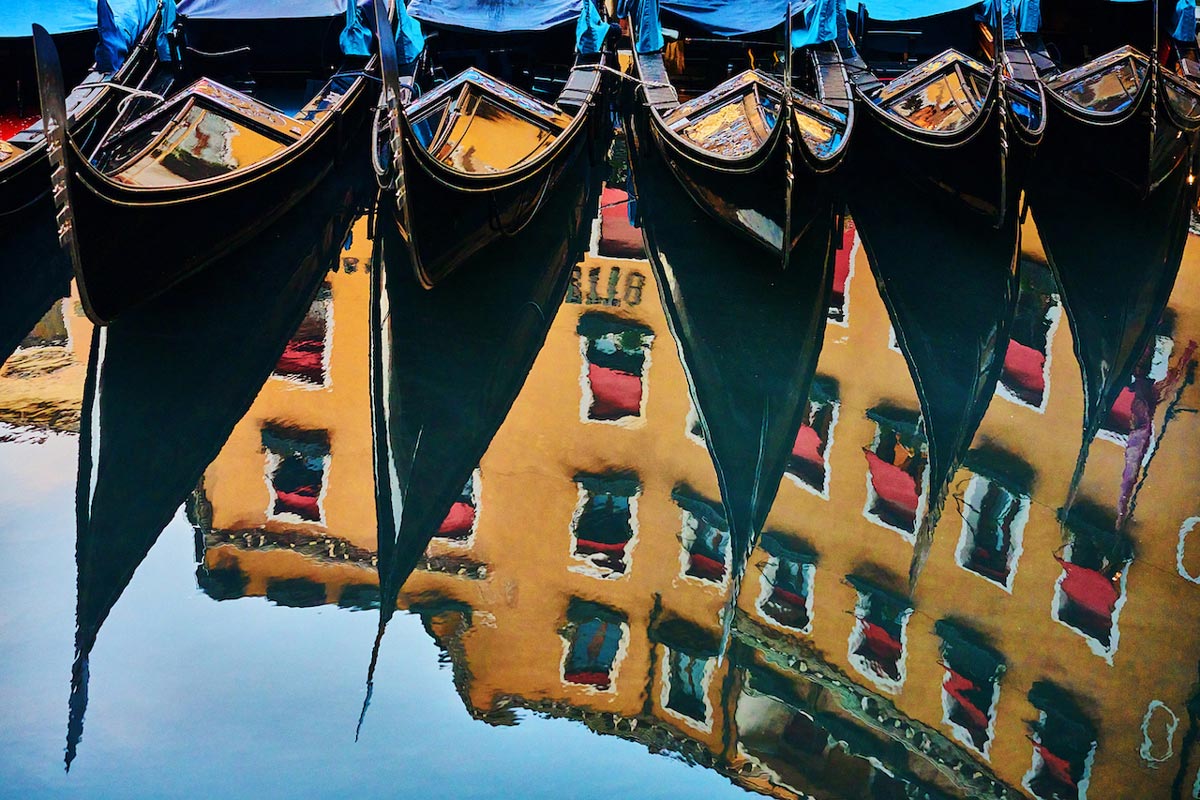
Q Photography used to be a lot of manual work: exposure, focus, film, the lab, and editors decided who got seen. Today everyone has a good, largely automatic camera in their pocket and can publish their own pictures. Has that made it easier to become a photographer, or only harder to be noticed as one?
Both. Let’s say that the entry barrier has been pretty much eliminated. Sports photography is one good example. It used to be a highly-prized specialty because it was a rare skill, something very difficult, which took a long time to learn to do really well. There weren’t very many great sports photographers in the entire world. A former FIFA Director of Communications once told me he thought there were less than twenty photographers in the entire world who could actually shoot football really well.
Now sports photography has largely lost its editorial market value, due to autofocus and digital camera and lens technology making it possible for nearly anyone to do work which is “good enough”, if not necessarily great. So yes, it is a lot harder now to get noticed, and even harder to be economically rewarded for the quality of your work. But quality still matters at the highest levels and hopefully the best practitioners will continue to be recognized and rewarded, even if the field of photography is now much more crowded.
Q AI can now generate images that no longer need a camera. What remains for photography?
AI can generate images. But they are not photographs. They are simulations, things that never happened. Even if some of them can be very convincing, they are not real. A photograph is the product of an actual human being looking, feeling and reacting and framing. All things that AI cannot do. I believe that people still prefer to see reality reflected in the photographs they look at, and that they will know and appreciate the difference.
But the economic future for photography certainly looks challenging, with newspapers and magazines having so much trouble and commercial and advertising clients looking for the least expensive solutions, something AI promises to deliver. In the end, however, I will still put my faith in the human solution.
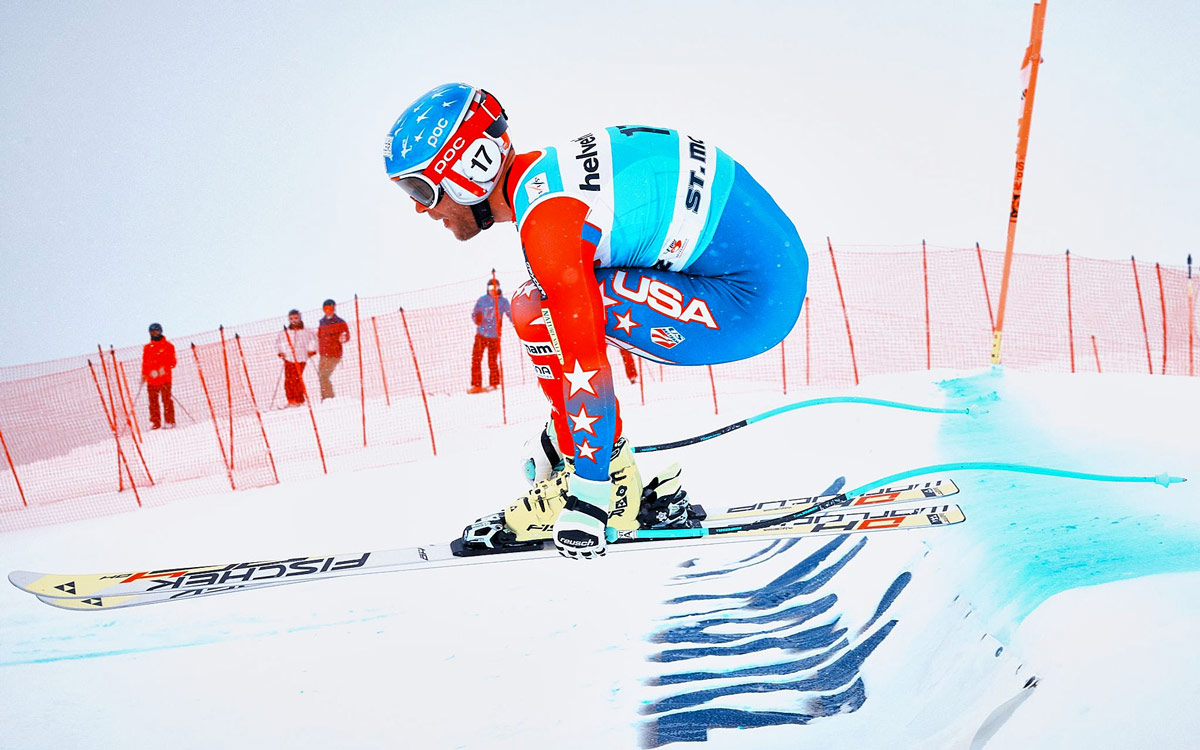
Q If you were twenty today: would you put everything on photography again?
I would still do photography, but I would probably try to become a cinematographer or a film director. Some of my favorite filmmakers - people like Wim Wenders, Stanley Kubrick and Roger Deakins have also been very serious and accomplished photographers. On the other hand, I might also try something completely different, like being a football coach.