Recently a butterfly landed on a meadow, and I automatically pointed the camera at it. A small, fleeting subject, just like the bees in the garden back when I first picked up my grandfather's Panasonic out of pure curiosity. Between that butterfly and those bees came quite a few cameras. Looking back, that's a story of its own.
It all started with my grandfather's digital camera. Out of pure curiosity I photographed the lawn in front of the house, flowers, and above all bees and insects. What fascinated me was how easily these tiny, constantly moving creatures could suddenly be "captured." I had no idea about camera settings at that point, but that didn't matter one bit. What gripped me was something else: this feeling of being able to hold onto light and shadow. That fascination was huge from the very start, even without any technical understanding.
More Megapixels = More Understanding?
My first own camera was a Nikon Coolpix, which I'd asked for as a birthday present – mainly because it had more megapixels than my grandfather's Panasonic, and back then I thought: more is automatically better. Aperture, shutter speed, or ISO were pure gibberish to me. Still, I quickly noticed that these digital cameras had their limits.
Around the same time, I came across artists like Erik Johansson, who created these fascinating, surreal manipulations out of their own photos. That impressed and inspired me enormously. I desperately wanted to make similar photo composites from my own images. Except that turned out to be anything but easy at first.
At some point I became convinced that a DSLR would solve the problem. Better camera, better images. At least that's what I believed at the time. So, I saved up. It didn't even take a year. In the shop, after less research than would have been advisable, I ended up choosing a Canon EOS 1100D. Why exactly, I honestly still couldn't tell you – it simply appealed to me more than the Nikon equivalent.
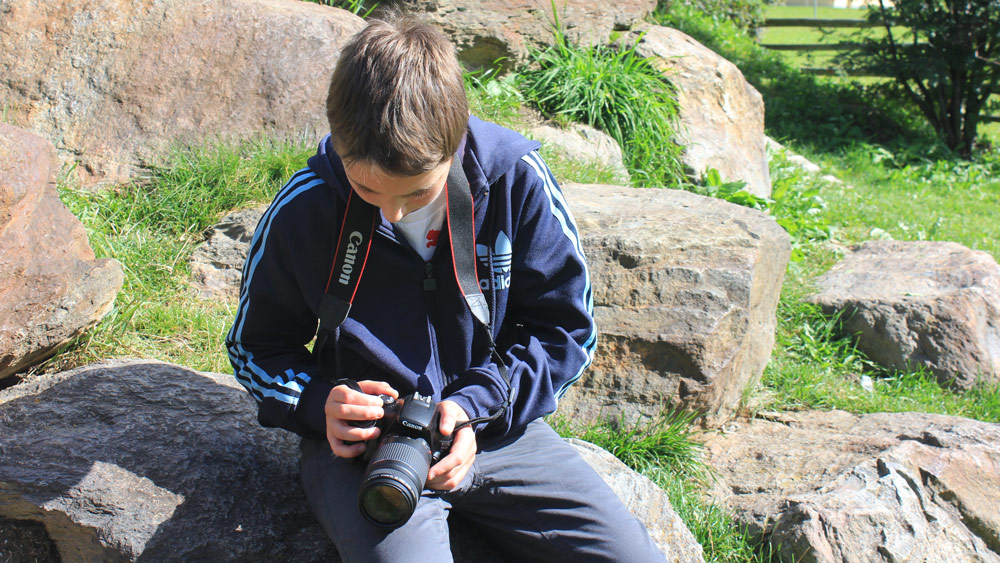
I quickly had to realize, though: things didn't necessarily get easier because of it. And certainly nothing happened by itself. I still had no clue whatsoever about technique or settings. At first, I was even disappointed. The DSLR gave me more possibilities than the compact camera ever could, but I simply didn't yet understand what I actually had in my hands.
Five Seconds That Nearly Killed Me
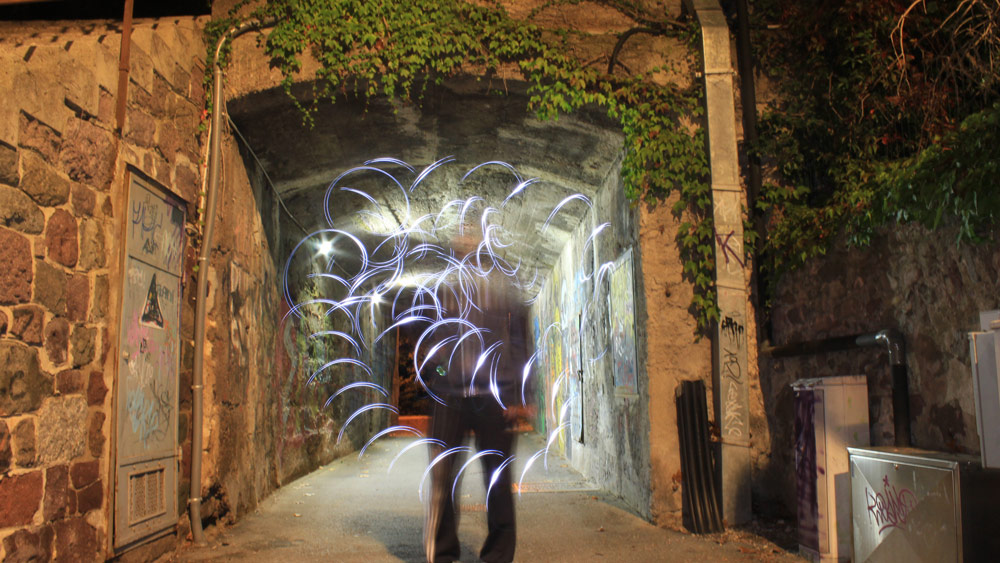
On my first attempt at shooting manually, I genuinely had no idea what any of the dials did. At some point I set the shutter speed to five seconds and panicked when, after pressing the button, nothing seemed to happen and the mirror stayed flipped up. I didn't understand that this was simply a longer exposure time. My worry: I'd broken the camera. Quickly switched it off and back on again. A weight lifted off my shoulders when the display came back on. That was the push I needed to finally understand more. And slowly, I started getting the hang of it.
From Trial and Error to Understanding
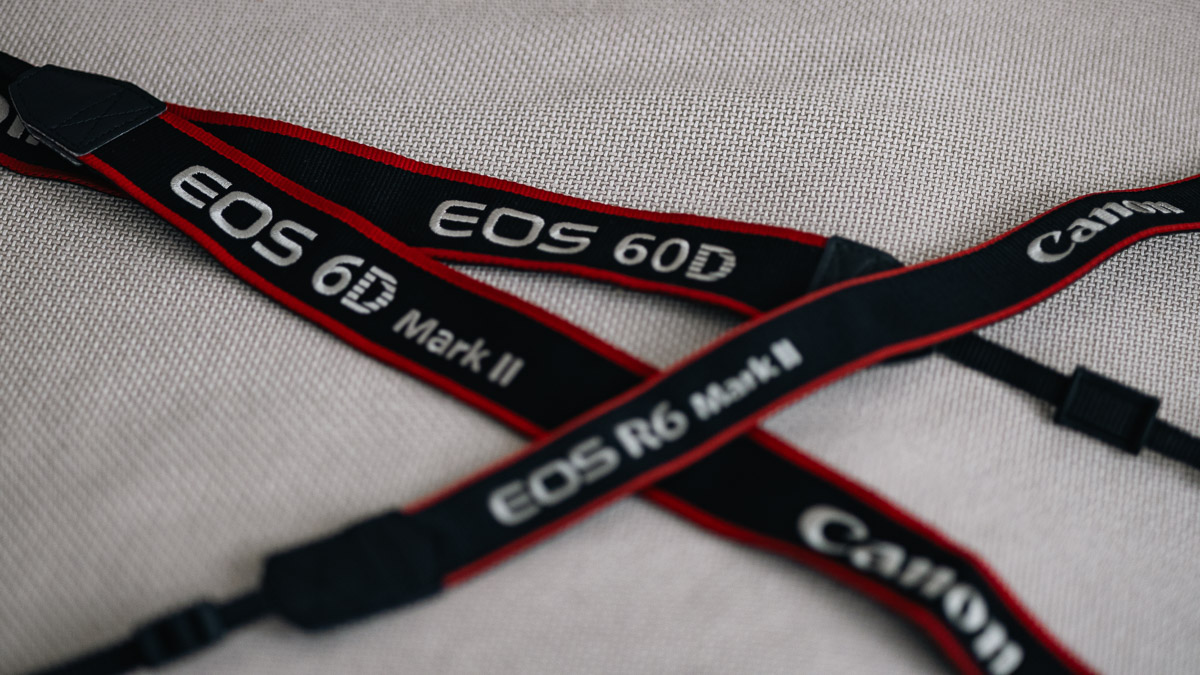
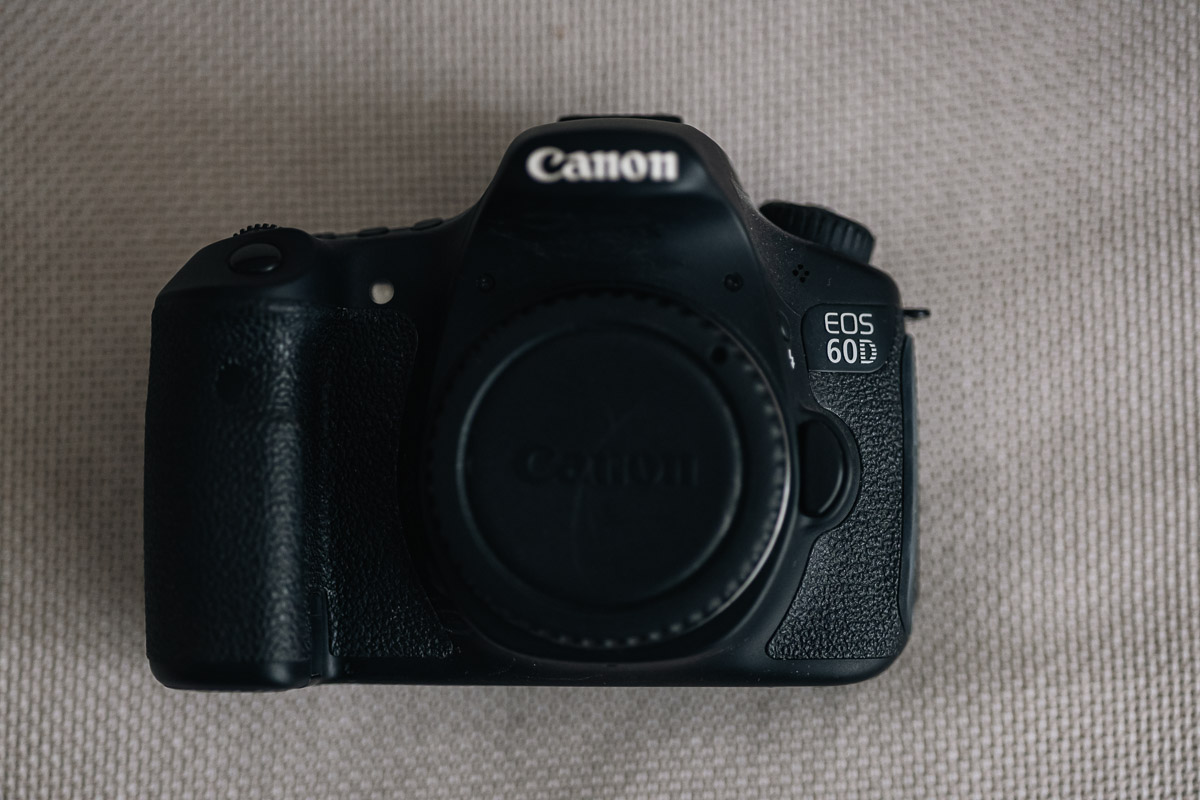
My lack of knowledge never held me back. So it's no surprise it didn't take long before another upgrade followed. My choice landed on the 60D. It felt a bit more professional, the logical next step in my mind. Looking back, that was probably premature. Not because the camera was too advanced, but because I still hadn't fully grown into what I already had.
The 60D was the camera that really got things going though. More lenses followed, I kept learning what each setting actually did, took my first bigger steps, and discovered new possibilities. My first timelapses, for example. Back then still with a cable connection from laptop to camera and Canon Utility for control. I did that on the rooftop terrace and wrapped the laptop in cling film, worried it might start raining during the two hours it sat out there. Though in a real downpour that probably wouldn't have helped much anyway.
The 60D was a great companion and teacher for several years. Once, fairly newly acquired, I took it along on a trip to the US. After the security check at the airport, nothing worked anymore – black display, no response whatsoever. I was convinced it hadn't survived the security scan. In reality, the check had likely just drained the battery, though that thought didn't cross my mind at the time. Camera's broken, I apparently thought on quite a few occasions in those early years.
New Speed, New Habits
When the desire for full frame came along, staying within the Canon world was never in question. Which model, though, took a lot of deliberation. The 6D Mark II kept coming back into focus, even though by then it had already been on the market for a while and wasn't exactly state of the art anymore – mirrorless systems already existed. But I still found the mirror cool and didn't want to move away from it. On top of that, the camera's age meant there were good deals to be had. An important factor, since this upgrade was operating on a noticeably higher budget level.
So, the switch to full frame and the 6D Mark II. By this point I also had noticeably more knowledge – I knew the difference to APS-C, and this was the first purchase that really had thought and consideration behind it. That turned out to be the next real leap forward for my images too. I took noticeably more photos, more portraits, dug deeper into light and all sorts of other topics, and the gear grew accordingly.
Rather late, I also arrived in the age of mirrorless system cameras. I had some concerns going into this switch, particularly around compatibility with my older lenses. Those were all cleared up remarkably fast though. The R6 Mark II opened another level entirely, especially in speed and autofocus. But also, a major adjustment: the electronic viewfinder, the battery draining faster than I was used to. Overall, though, definitely the right next step, and likely my companion for a good while yet.
Fanboy Without a Reason
I have to admit, I'm quite a Canon fanboy. But there's no rational reason behind it. It was more chance than anything. It simply felt and looked right in the shop back then, and I stuck with it.
Over the years I've had other cameras from Sony and Nikon in my hands too. Both have their own advantages, no question. But once you're used to a system, you tend to stay. Whether that's smart or not, I honestly couldn't say to myself. It's simply like it is with certain brands: it fits, and somehow you don't really need anything more than that.
The butterfly the other day didn't produce a usable image. A butterfly on a flower was all there was to it that day. But it did something far better: it made me pause for a moment and realise that, back then, I had no idea where that first camera would eventually take me.
And as I sit here thinking back, that old line comes to mind too, the one probably every photographer has heard a hundred times: in the end, the camera is just a tool. Might be true. Still, given the choice, I'm not reaching for an old hammer to drive in the next nail. I'll take a new one every time.