Patience is the most important virtue in wildlife photography. And you need luck. On my first outing I had both. But in the end, the photos were almost beside the point.
A few years ago I picked up a 70-300mm lens to get closer to distant animals and subjects. It only came out occasionally – either there wasn't enough time to properly stake out a spot, or the patience ran out once I got there.
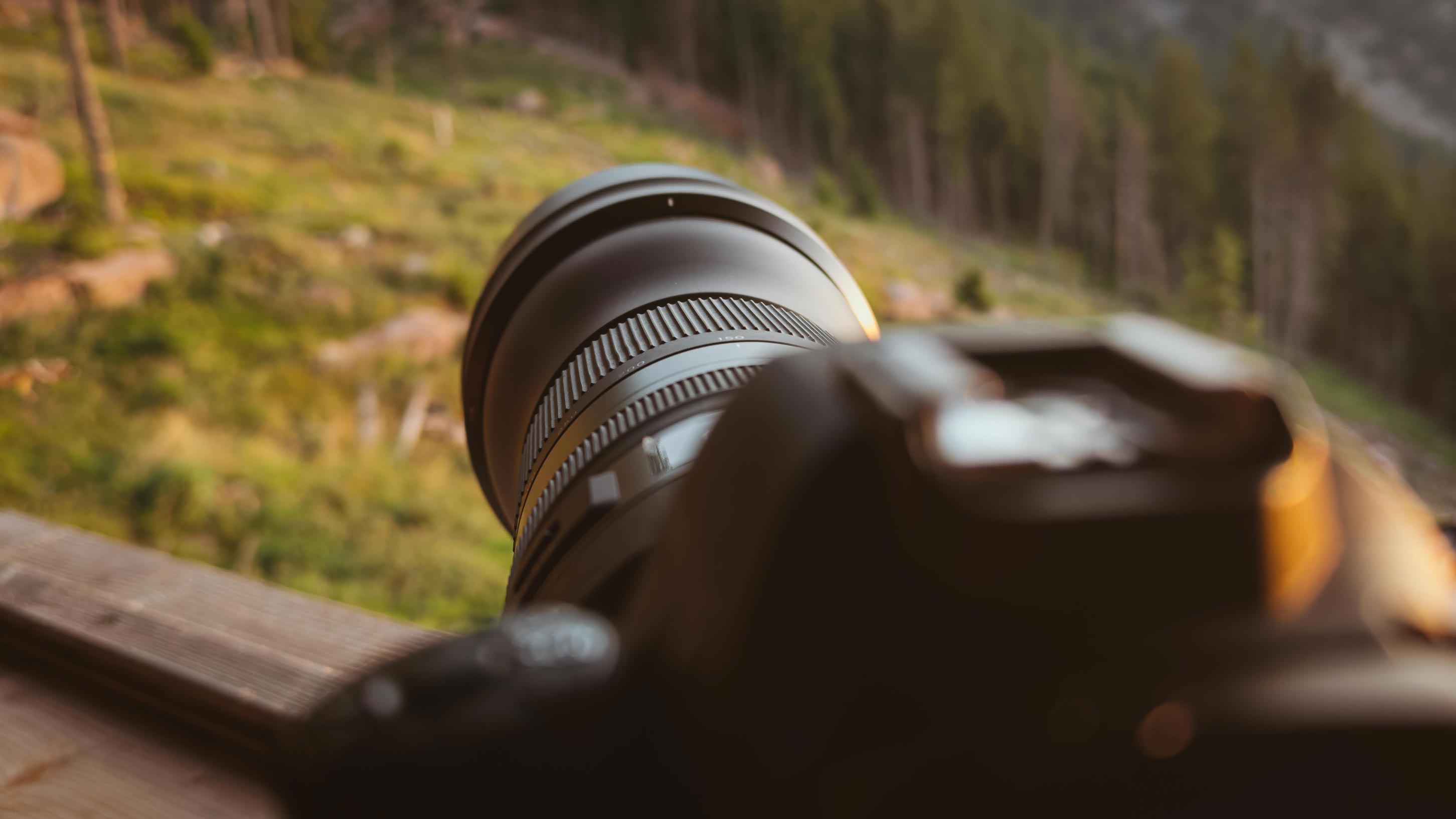
That didn't stop me from chasing the dream. The 70-300 would have been perfectly adequate. But a proper telephoto lens has a certain appeal. So a "small" upgrade followed: a 150-600.
600mm – Please Take One Step Back
Anyone who's held a telephoto lens knows: it just feels cool. The sheer size of it, and what 600mm can reach, is impressive. The bulk and weight are equally impressive – which is why it took a while before the lens saw its first real use.
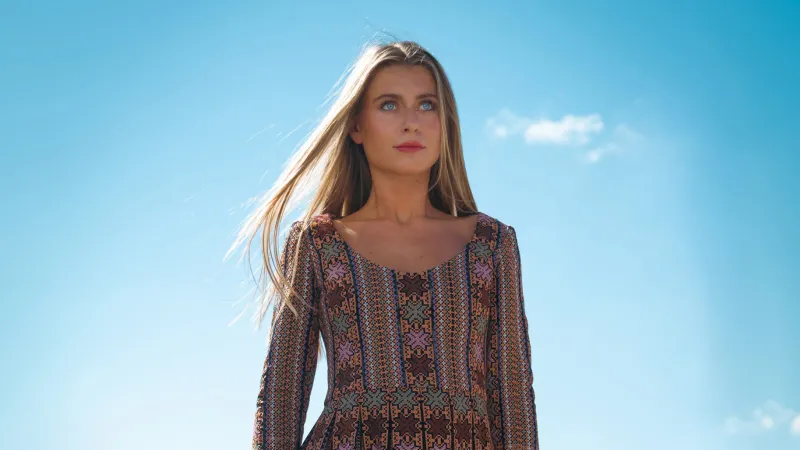
A visit to my family in South Tyrol was the perfect opportunity. Forest and wildlife right on the doorstep. And a good friend had just got his hunting licence – who better to know where to find wildlife. In the meantime I put the lens to unintended use: portraits. With 600mm you just need a bit more distance – but the results were much better than expected. Please take one step back.
A Painterly Sunrise
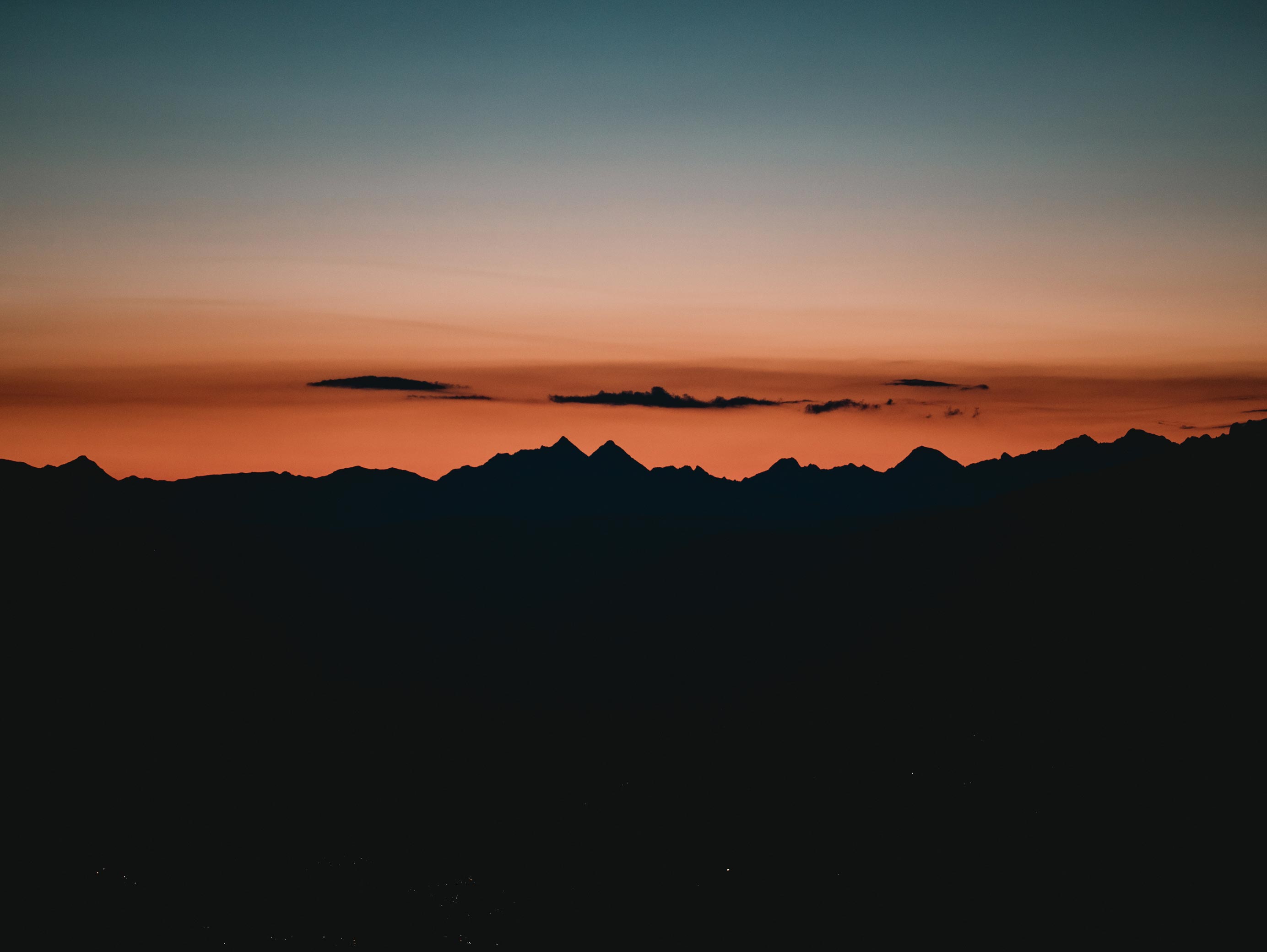
We met at 4am and headed to a hunting hide. The air was cool, dawn just beginning to break. We settled in and waited: stay quiet, keep watching. Over the mountain peaks on the horizon, the sun slowly climbed – one of the most beautiful sunrises I've ever seen. Captured immediately, of course.
Otherwise, nothing happened. The occasional bird. My friend used the time to tell me about the animals and the territory. He seemed to know every bird and every blade of grass. And then he spotted something.
The Limping Chamois
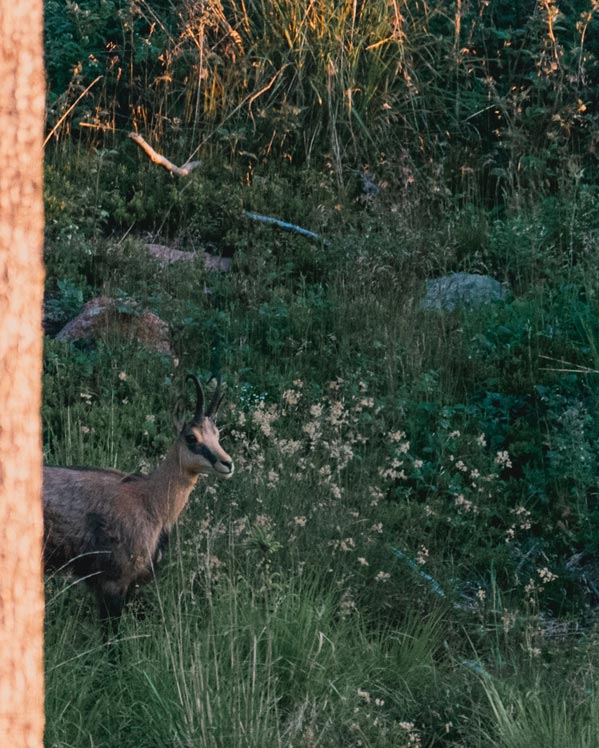
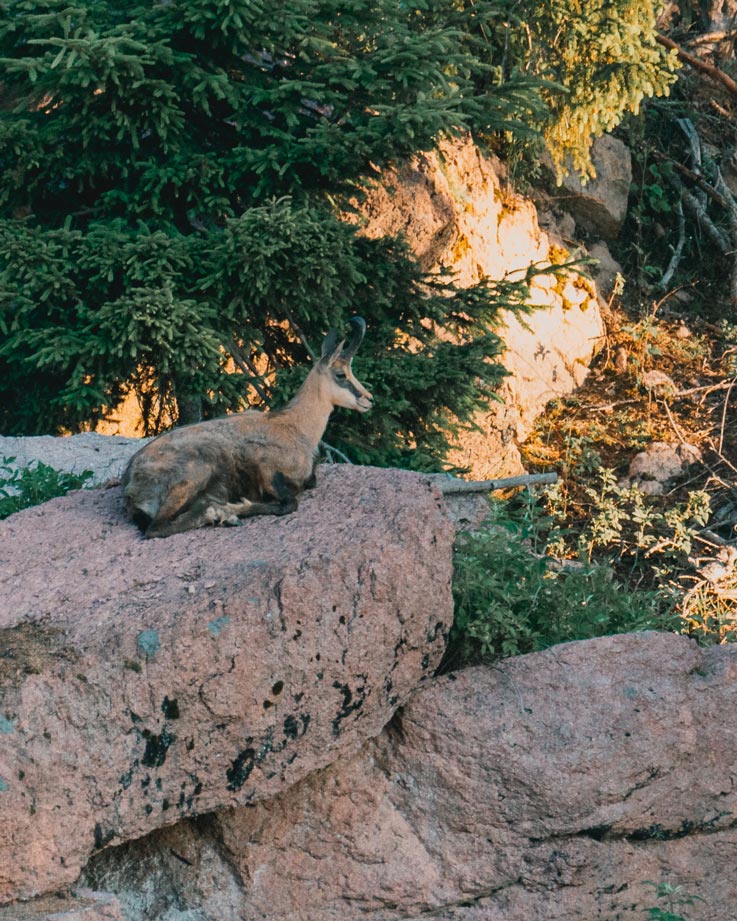
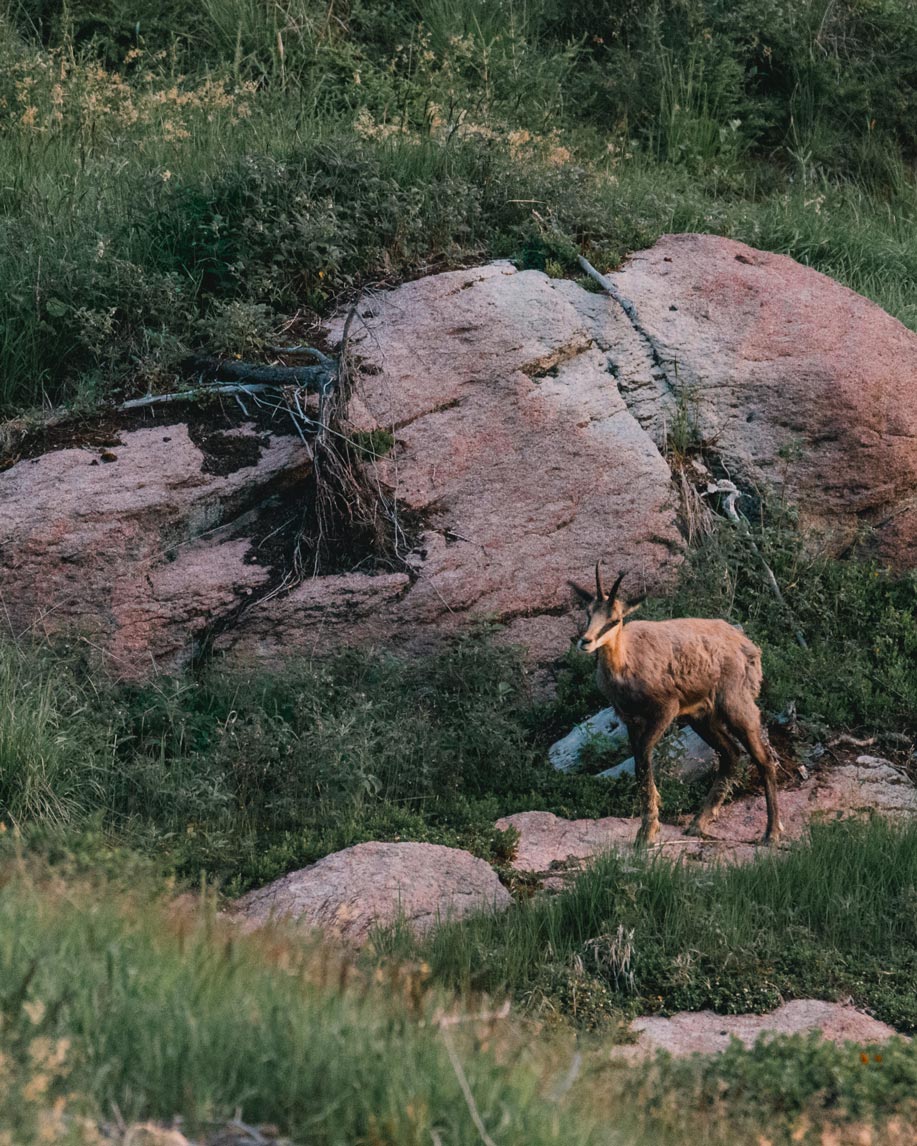
A chamois appeared on the clearing. Viewfinder up, first shots fired. I wanted to move quickly – you never know how long the animals will stay.
The concern turned out to be unnecessary. We quickly noticed: this one was injured and limping badly. A quick escape wasn't going to happen. Perfect for me – I had time to work without rushing. The chamois must have spent 15-20 minutes wandering around the clearing in front of us.
I did feel a bit torn. The animal is limping, and here I am thrilled about the photo opportunity. My friend took a pragmatic view: happens, either she recovers or nature takes its course sooner or later. That's just how it is. I accepted that and kept shooting.
Where Fox and Hare Say Goodnight
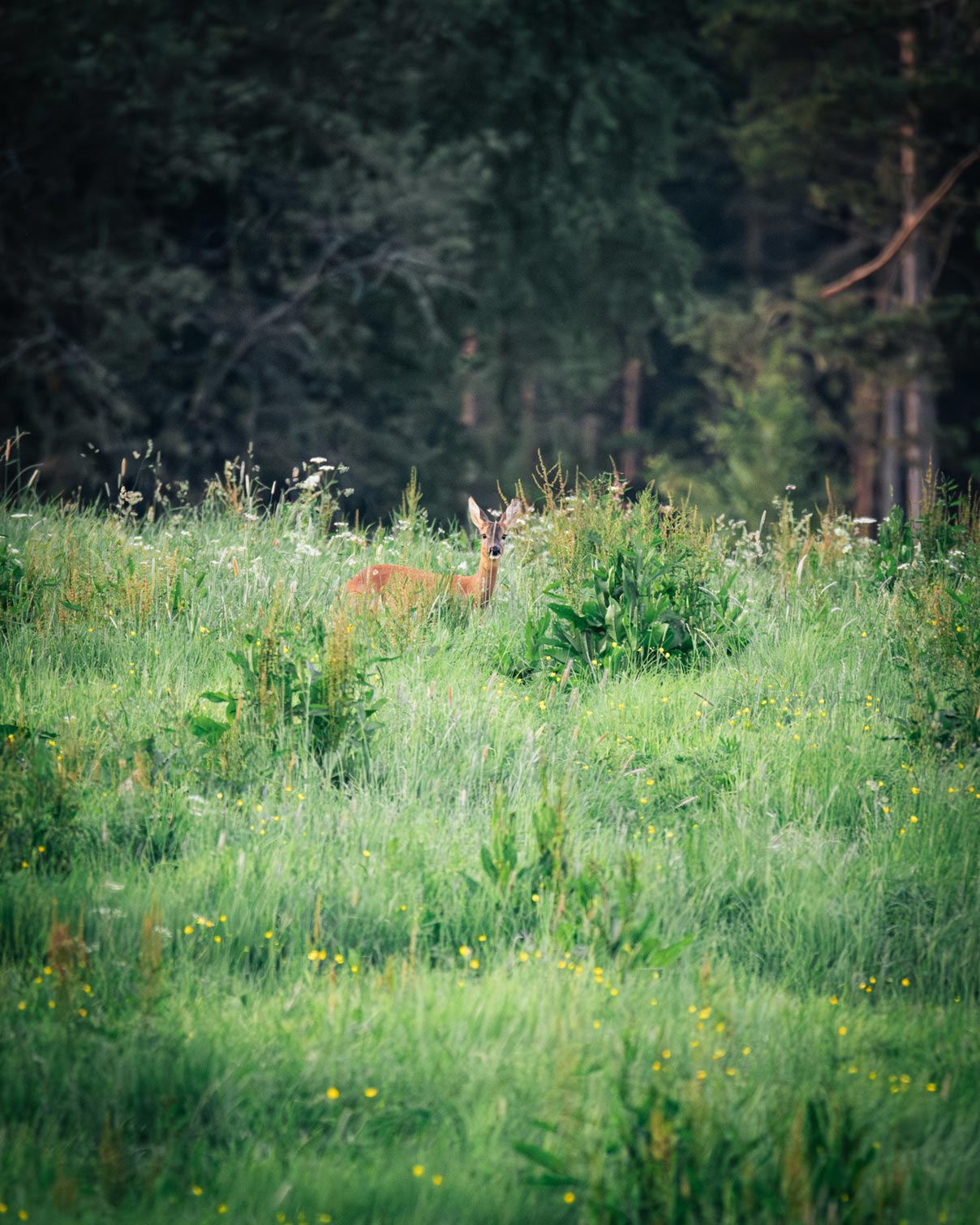
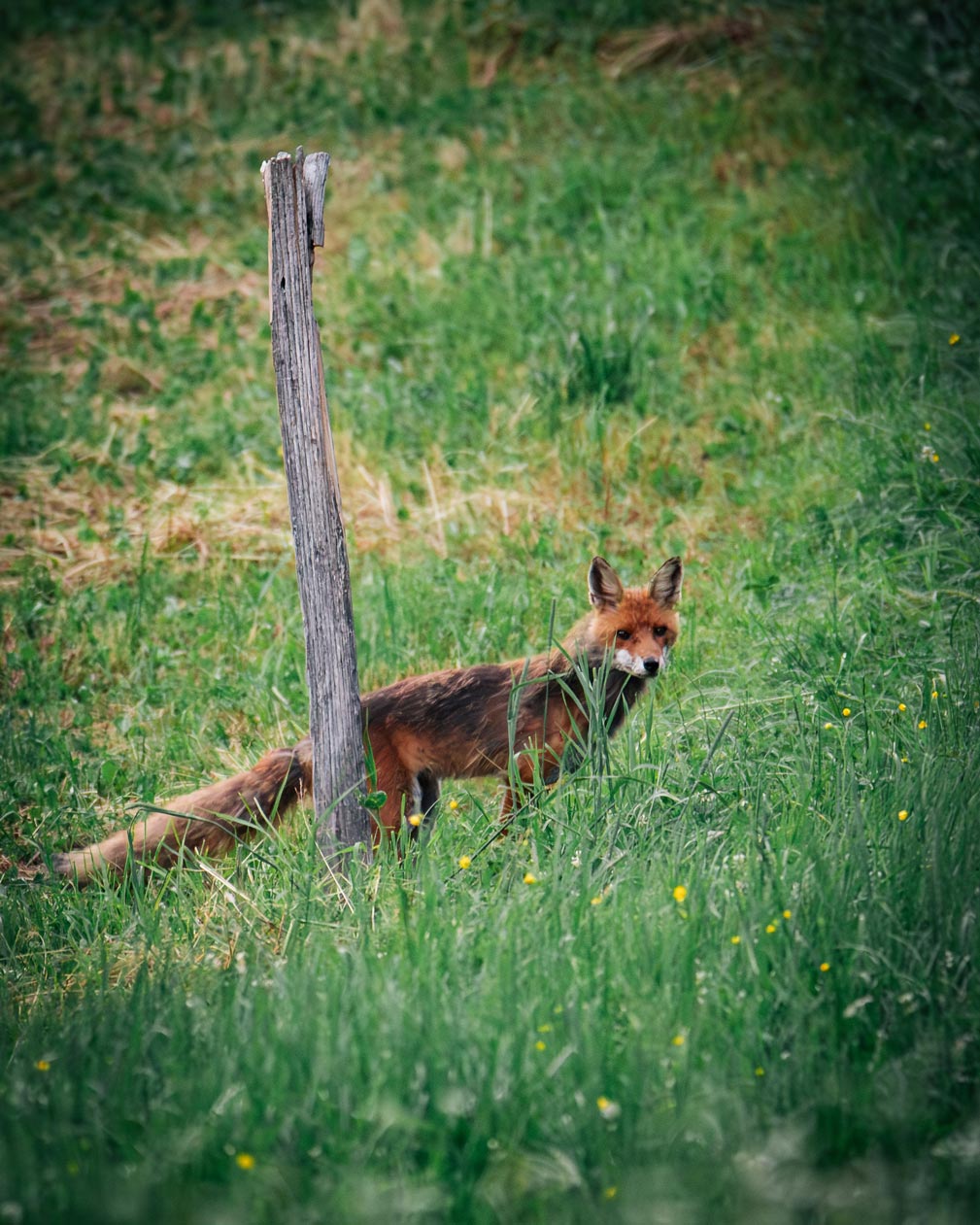
Properly hooked, I headed back into the forest behind the house that evening. And I was surprised: within minutes I came across a deer, a hare – who suddenly leapt out of the bushes right in front of me – and a fox, lurking in the grass a little further off, waiting for the hare. Three animals, all in perfect health, all very fast. What had worked so well in the morning was a different challenge in the evening. After a few attempts I gave up – partly because of the nearly three kilos of camera and lens held in position – and instead just watched the whole scene with curiosity.
And yet: an incredible day. Less because of the photos – they're fine, but ultimately the least important thing. From sunrise to sunset it was an example of what photography means to me: out in the world, with friends, experiencing unique moments that I'll carry with me forever, shutter or no shutter.
What the Forest Had to Offer