When you scroll through social media or browse photos online, you quickly notice that black and white is one of the most popular filters out there. The reason is completely understandable: it gives a photo a different, often much stronger impact. Or at least, that's the idea behind it.
I myself make at least three or four black and white versions of almost every shot I take. And that's while actively suppressing the urge to do it even more. Every time, I ask myself: is it really necessary here? Most of the time I even create two versions – one in colour and one converted to black and white. That's actually wrong.
When Light Matters More Than Reality
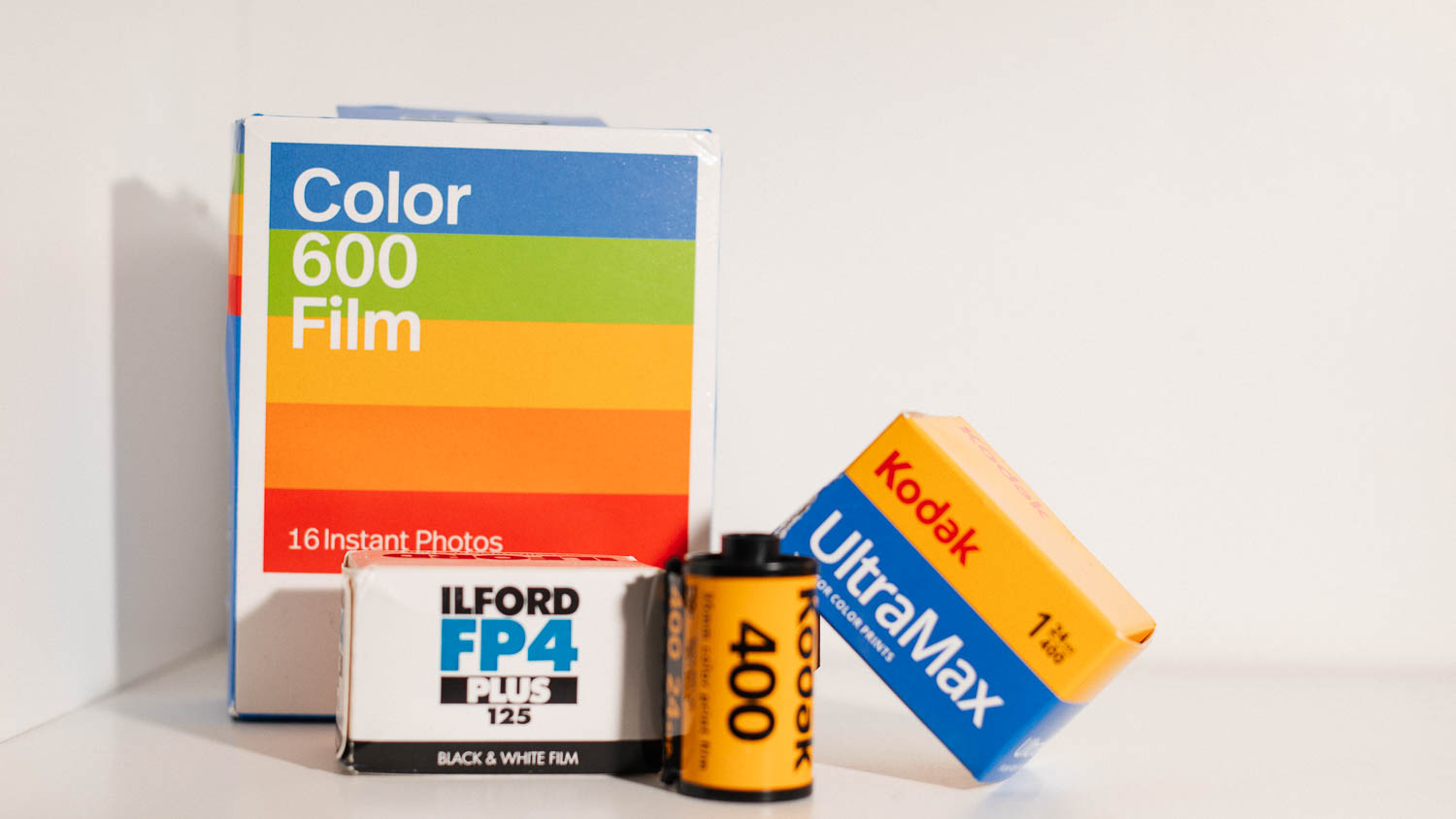
We have a luxury: we can decide for ourselves whether we want colour or not. In the early days of photography, that question didn't exist. It only arose with the emergence of colour photography in the 1930s – and has been used consciously and unconsciously ever since. But not every photo deserves black and white.
There are those special moments or images where colour simply gets in the way. Where it's about emotion, about the pure interplay of light and shadow. Photos where emotion matters more than reality.
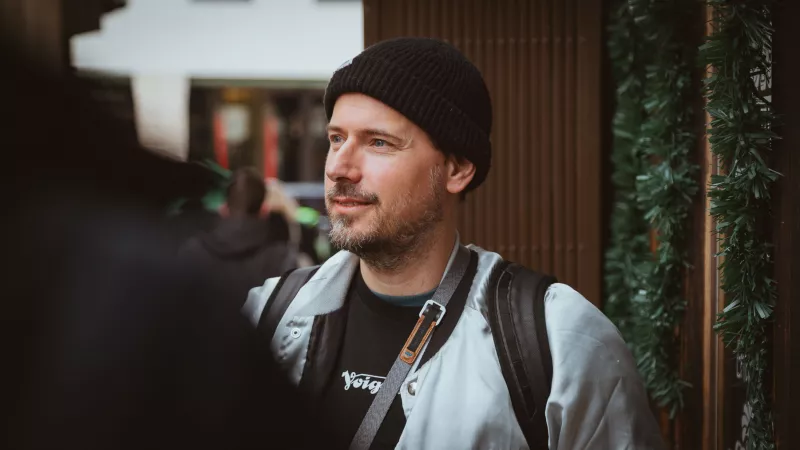
This is especially clear in portraits. A face in black and white – no distracting skin tones, no disruptive background green. Just expression. Light. The moment. And that's exactly where colour isn't needed. Examples are endless.
And then there's the in-between – the desaturated image, the one colour that stays. But that's a different story.
A Colourless Autumn? Not for Me
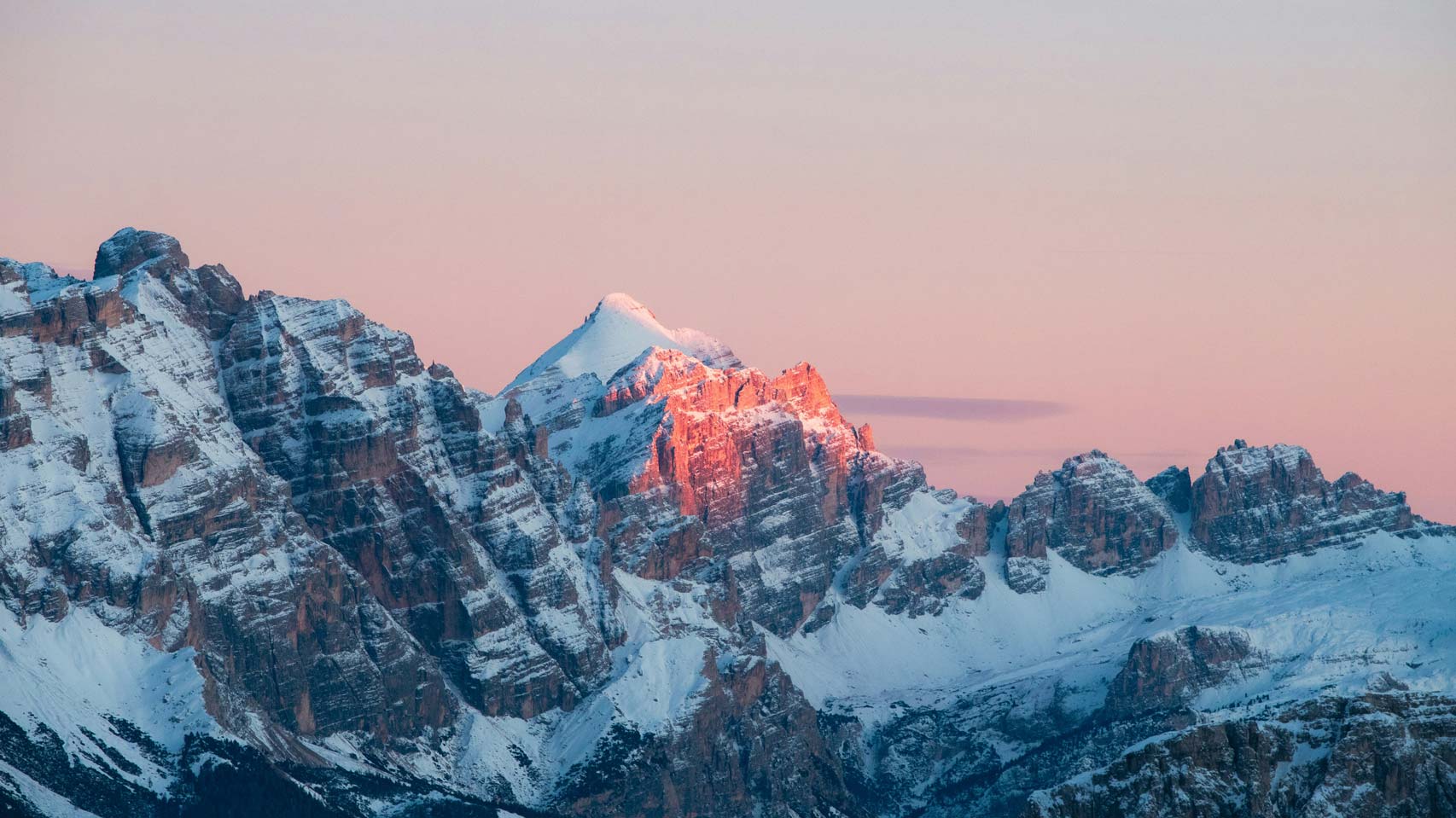
On the other hand, there are photos that exist precisely because of their colour. A sunset in black and white? A golden autumn larch forest stripped of every splash of colour? That can certainly be interesting. But these images live from their tones – from the interplay and the unique gradients that only colour can offer.
That's also one of the reasons I could never shoot exclusively in black and white. For me, the question of either/or never really arose. I'm glad I have both options. What matters to me now is this: I don't convert because it looks good. I convert because I've actively decided to. But deciding when colour is truly irrelevant – that's not as simple as it sounds.
A Decision, Not a Habit
Sebastião Salgado photographed in black and white his entire life – not because colour is worse, but because black and white was his language. A conscious, uncompromising decision. No filter, no habit. A stance. Henri Cartier-Bresson held a similar view.
That's the difference: not black and white because it looks strong, but black and white because it's the only right choice for this particular image – or for one's visual language as a whole.
For me, the mix makes photography more interesting. But the decision has to be just that – a decision. Not a habit. No more copies. Either the image lives without colour. Or it lives with it.