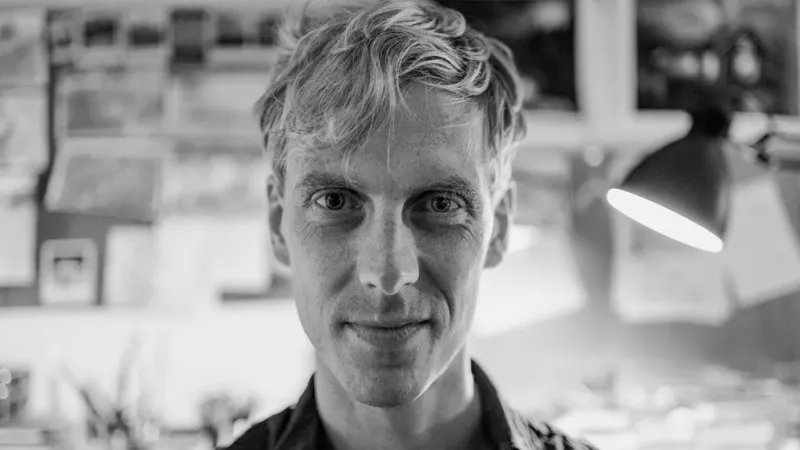
Exactly five years ago today, I opened my account on Shutterstock to offer my content. Around the same time, I also set up accounts on Adobe Stock, Getty Images, and iStock. "The more, the better" - at least that was my initial thought.
This isn't going to be a tutorial on how to start with stock photography or how much you can earn; it’s simply a personal experience report. If you're looking for a "how-to," you'll find plenty of tips and guides online.
Since the upload process at Getty and iStock felt a bit clunky compared to the other platforms, I neglected them after a short while and focused mainly on Shutterstock and Adobe Stock.
From Nature Shots to Bitcoin: The Hunt for a Niche
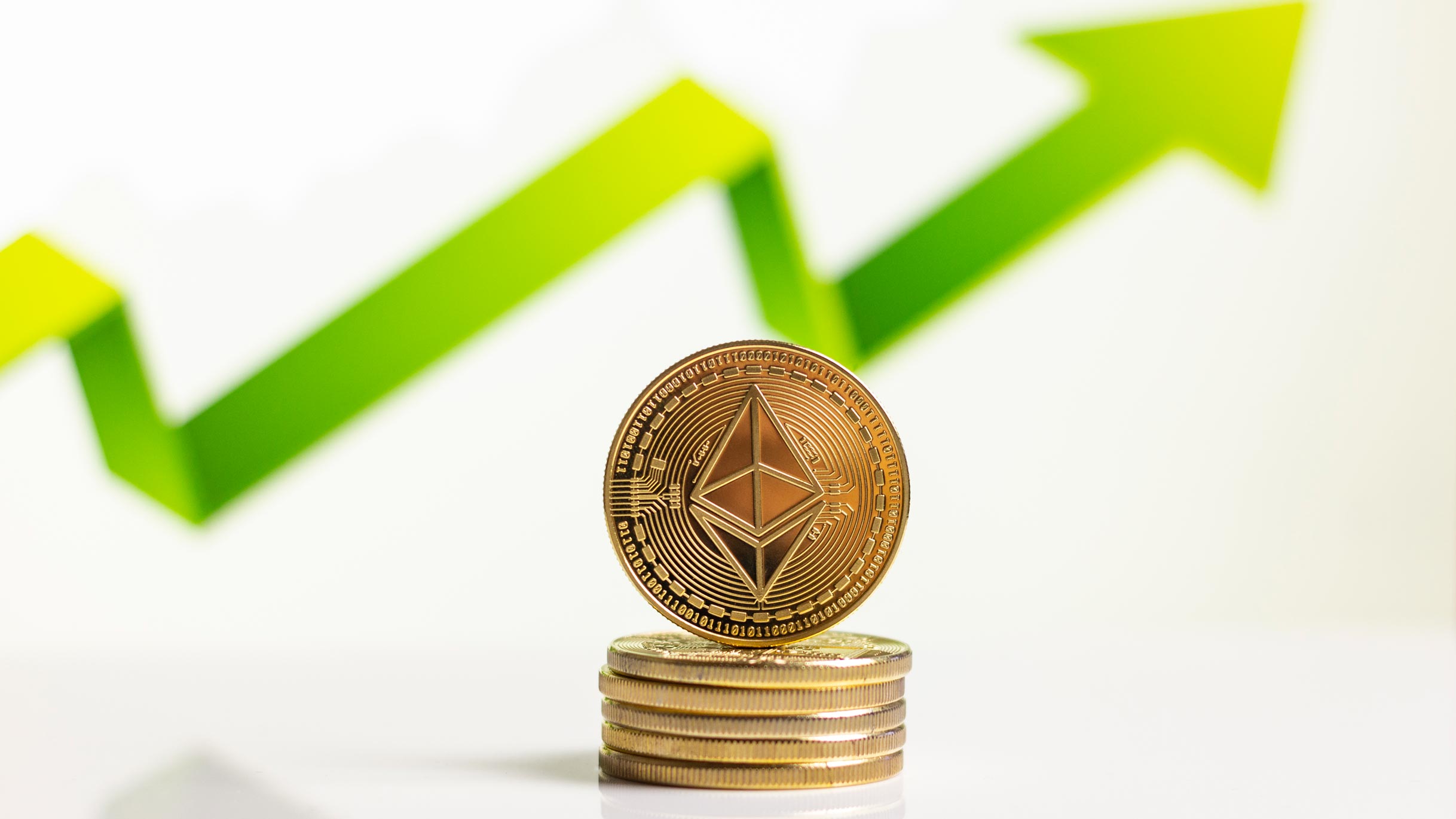
I quickly realized that my nature photos weren't generating much interest. At first, I was pretty disillusioned. But the more I looked into stock photography, the clearer it became: you need a niche. At the time, the crypto hype was exploding, and that was the perfect hook for me.
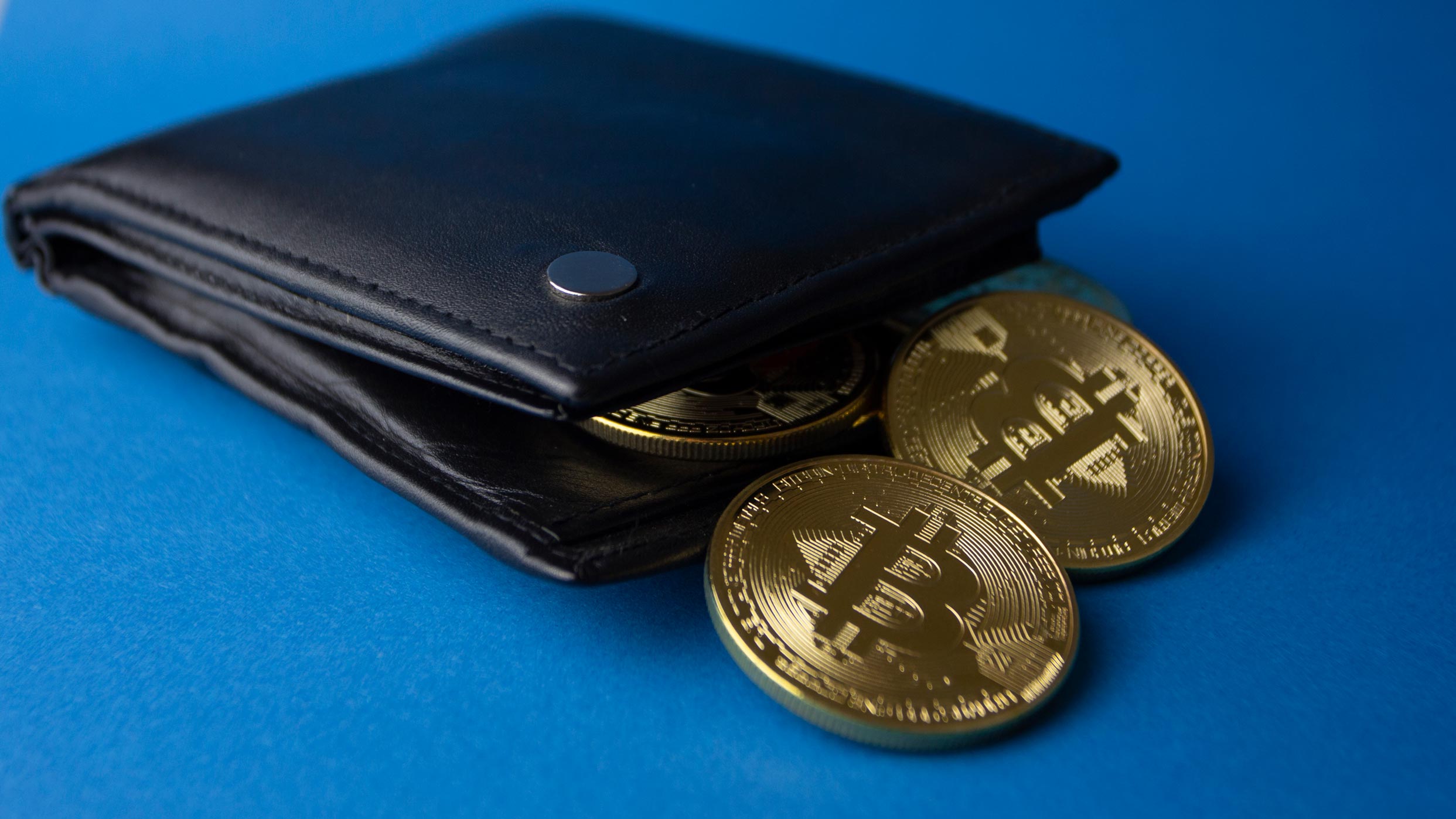
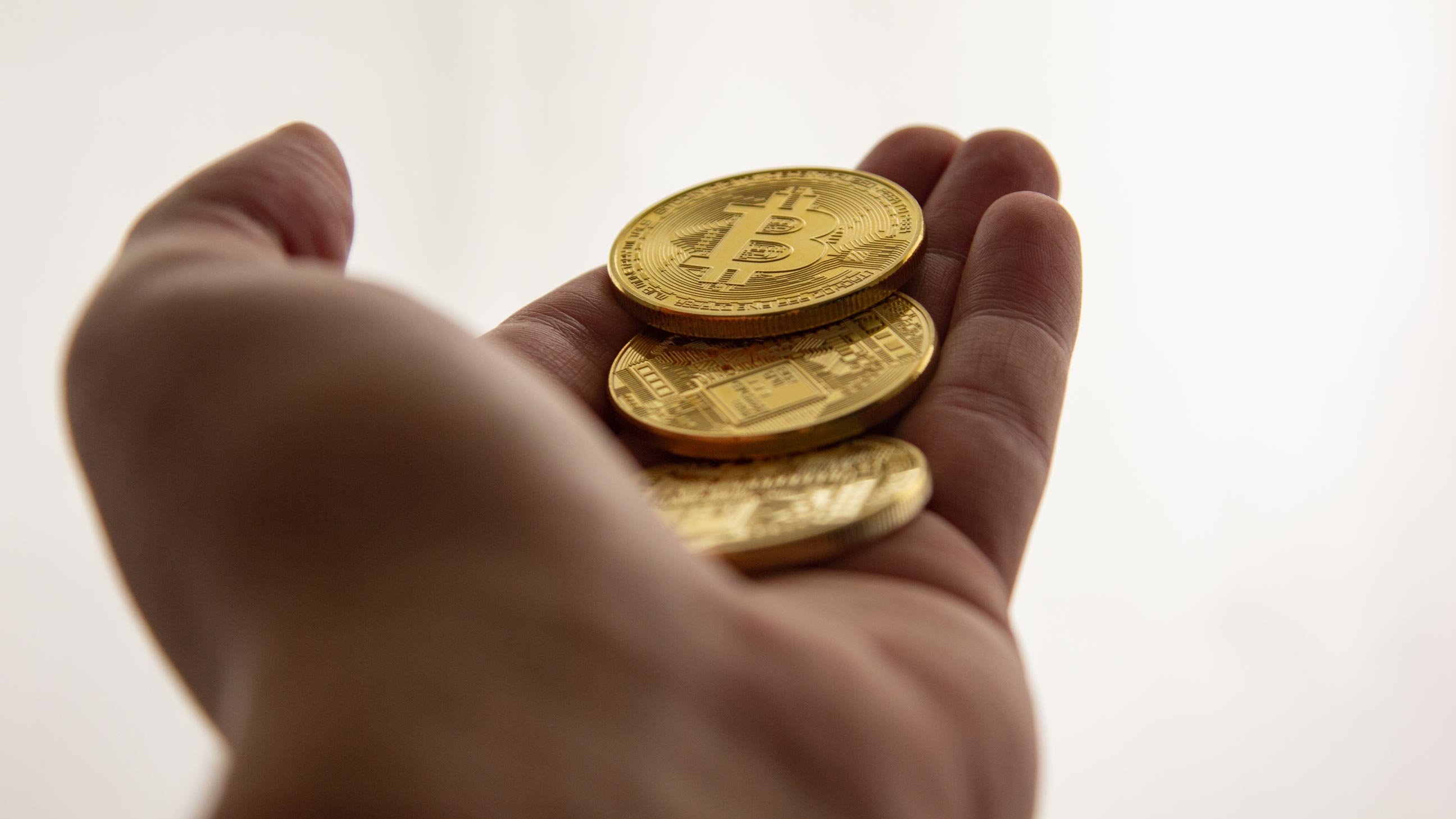
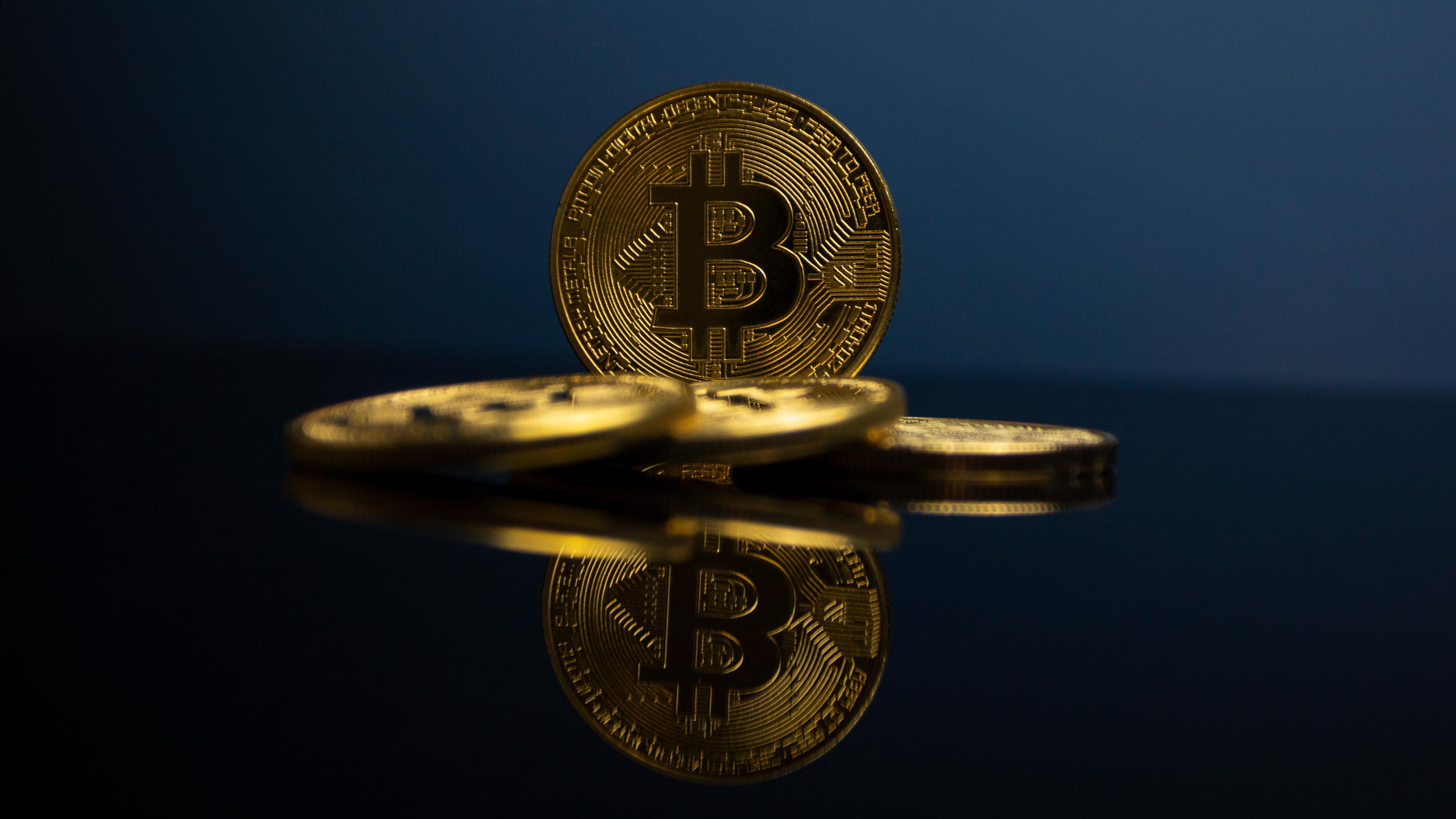
I bought some physical coins from various virtual currencies, backgrounds, lights, etc., to set up a small, practical studio at home. It didn't take much: besides the coins and two small light sources, I bought black and white acrylic plates to use as a base for reflections, which made the shots look more interesting and professional. For the background, I mostly used my laptop screen, displaying a matching logo or a simple background I’d quickly created myself.
Admittedly, the first images weren't masterpieces. A few golden Bitcoins against a black background, playing with the light—that was it. It was a different kind of photography, and I wasn't creating art. I regularly checked industry news and tried to create images accordingly.
The Logo Trap: When Legal Says "No"
Creating the images is one thing. The much more tedious and sometimes frustrating part is uploading and publishing them. One thing I didn't have on my radar back then: you can't just photograph logos (whether in the foreground or background) and sell them without permission. Since companies like BlackRock or Coinbase were unlikely to give me their blessing, I was disappointed. How was I supposed to sell images if everything was being rejected?
Perhaps a bit more research beforehand would have helped, but I'm someone who just dives in, even if I don't have all the facts yet. I didn't let it discourage me because there is a way: "Editorial" is the magic word.
This category includes all images with "news character" - events, companies, current happenings - which can then only be used by news outlets. Because of this, you don't need permission from the company even if the logo is visible.
A glimmer of hope! Submitting in this category was a bit more work. I can only speak from my experience with Shutterstock here, because at Adobe Stock (at least back then), you had to reach at least 100 sales before you were allowed to submit editorial content. That felt unreachable at the time.
Copy-Paste & The Creativity Ban: Fighting the Algorithm
In addition to the title, editorial images on Shutterstock required the location and date of the shot - which I assume is standard everywhere. The most time-consuming part was entering the keywords. After a while, I created a list of standard keywords that I could use for almost every image (e.g., Crypto, Finance, Investment...), which speed things up thanks to copy and paste.
After submitting, you had to wait a few days for the images to be approved. Many were rejected. One of the main reasons: I was "too creative" for stock. I tried playing with depth of field, light, and interesting angles. But the automated review tool misunderstood my creativity - especially with the focus play - and regularly rejected the images for "insufficient quality."
Nevertheless, after a while, I managed to get the first images online. You couldn't set the price yourself. To be honest, I still don't quite understand the exact pricing structure. Back then, I didn't care anyway. Because shortly after, the first notification popped up: An image had been sold.

The First Sale: 10 Cents of Pure Euphoria
Before I could even check which image sold for how much, my imagination ran wild. Sure, it was a long road, but if it's starting like this, it's only a matter of time before I really take off. The euphoria was dampened a few minutes later when I saw that my first image sold for a grand total of ten cents (USD).
More sales followed relatively quickly. At least it confirmed that I had found the right niche with crypto at the time. There were some images that sold for more than ten cents, but usually, it was small change. This is due to the model: newsrooms have a subscription, and depending on the plan, the creator receives a percentage. This increases with the volume of sales. After 500 downloads, for example, you reach Level 2, and the percentage gets bigger (though "bigger" is still very small).
I don't remember the exact timeframe, but after about three or four months, I was able to make my first withdrawal: a whole 25 US dollars. My original plan to pay for camera equipment - or at least my Creative Cloud subscription – didn't quite pan out.
The Final Count: Enough for a New Lens?
I have to admit, I haven't followed this regularly over the last few years; it's been more of a side thing. In the beginning, I consistently put in the time, looked for news, and experimented, but it gradually tapered off. For the past two years, I've barely added any new content. However, some of the old images are still being bought.
In total, I have 256 photos in my portfolio and achieved 1,983 sales. That doesn't sound too bad at first. In the end, though, it only amounts to a bit more than 400 US dollars in five years. Living off that would be difficult. If you stay on top of it and put in more time, you could certainly optimize it and get more out of it than I did.
From my perspective, the best approach would be to not just submit editorial content, but the classic "office stock" photos - ideally with people. You get paid more for those. Since I never did that, I can't judge if the extra effort (location, models, etc.) is really worth it.
Even though my initial euphoria vanished quickly, it was a very interesting experience. The account is still online, and currently, about 10/20 images are sold every month. All in all, it's a lot of effort for little return – but I’d probably do it all over again.
The raw numbers after 5 years:
• Sales: 1,983
• Total Earnings: approx. 460 USD
• Hourly Wage: Let’s not talk about it.
• Biggest Learning: Editorial is a life-saver, but crypto coins don't pay the rent.
The 10-cent collection: Selected works from the last 5 years.